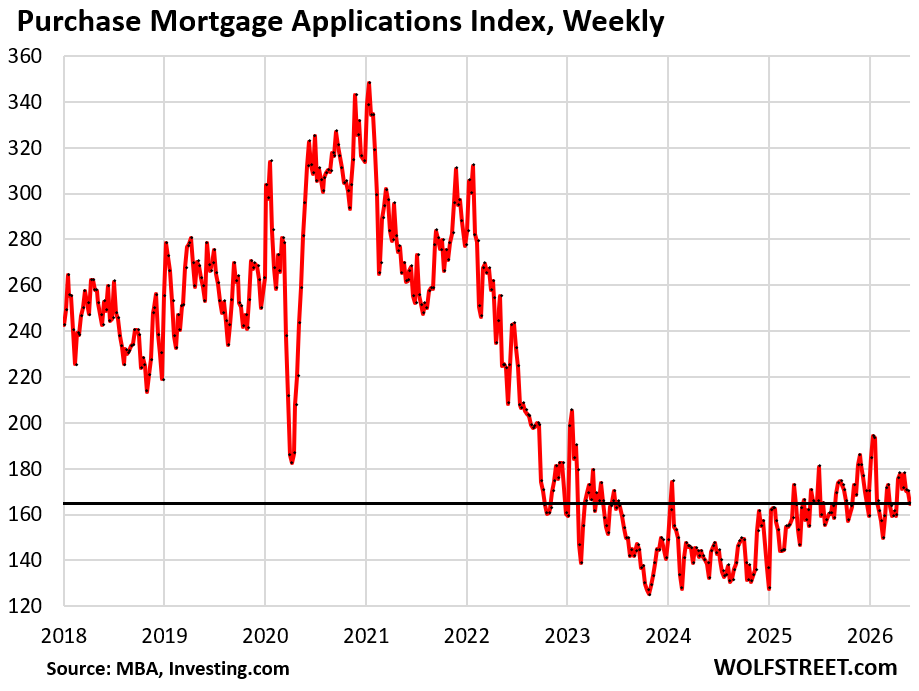
Spring selling season ended with a whimper, not a bang. Mortgage rates aren't at record highs, but they're high enough to keep buyers on the sidelines and sellers stuck in place. The combination of resurgent inflation and a Fed that refuses to blink has created an unusual paralysis. First-time buyers, typically the engine of the market, are especially squeezed: their incomes haven't kept pace with monthly payments that have risen 20% since 2024, according to the National Association of Realtors (NAR).
The Big Picture
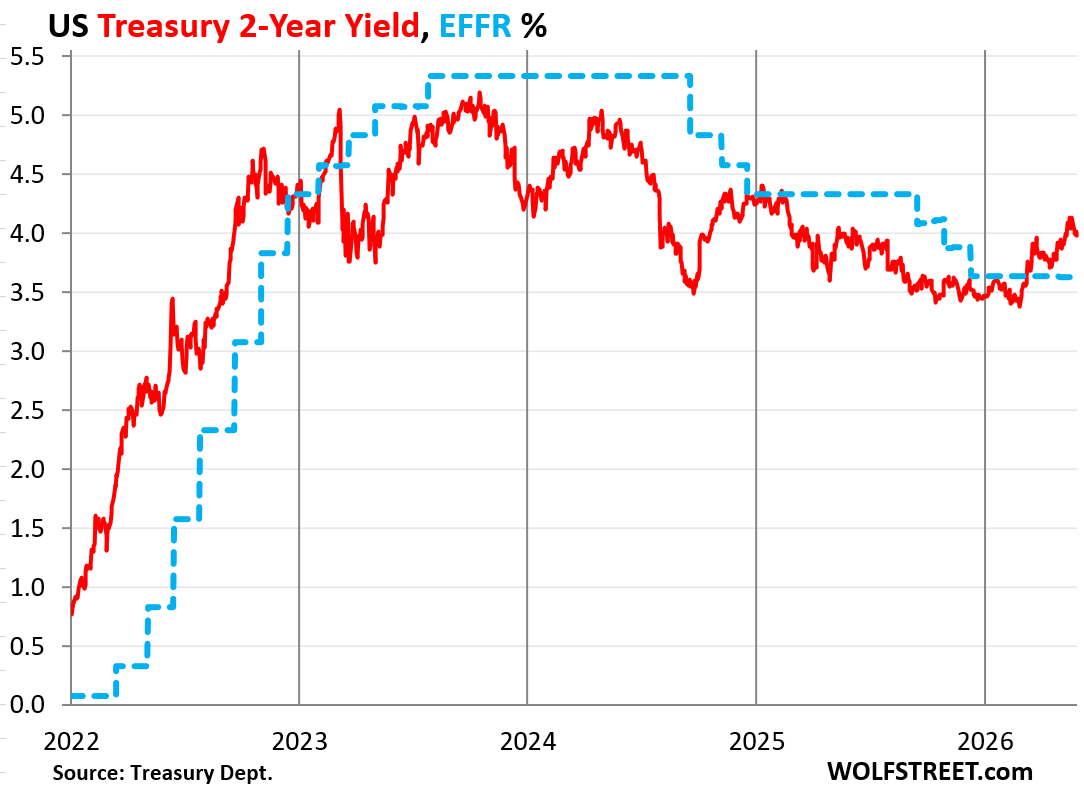
Every spring, the U.S. housing market gets a jolt of optimism. This year, the jolt never came. Mortgage rates, while far from the peaks of 2023, remain elevated enough to chill demand. The Federal Reserve, fighting a resurgence of inflation, has kept rates steady, and the market is feeling the freeze. At its May meeting, the Fed held rates at 5.25%-5.50%, and FOMC members' projections point to just one 25-basis-point cut by year-end, far below what markets expected in January.

What makes this cycle unusual is the combination of moderate nominal rates and rising inflation. In real terms, mortgage rates are actually low—but that's cold comfort to buyers facing higher grocery bills and stagnant wages. The result is a market stuck in low gear: few buyers, few sellers, and a lot of waiting. Current homeowners, most of whom have mortgages at 3% or lower, refuse to sell because buying a new home would mean taking on a 7%+ rate. This "lock-in effect" has reduced existing-home inventory to levels not seen since the 1990s, per NAR data.