Futures point to a weak open for Wall Street, with the S&P 500 down 16 points and the Dow off 104. The culprit? Oil prices sliding to $59.37 a barrel, a 24% year-over-year drop that's reshaping the economic landscape.
The Big Picture

Markets are pricing in a mixed bag this Sunday evening. While no major economic data is due Monday, the futures are already signaling anxiety. The trigger is crude: West Texas Intermediate at $59.37 per barrel, down sharply from $77 a year ago. Brent crude isn't faring better at $63.60, versus $80 in June 2025. This 24% plunge isn't just a number—it's a reflection of global demand concerns and oversupply dynamics.
The sell-off has accelerated in recent weeks, fueled by weak manufacturing data from China and the eurozone, and by OPEC+'s decision to increase output by 400,000 barrels per day starting in April. A strengthening dollar has added pressure, making dollar-denominated commodities more expensive for foreign buyers. The result: WTI at levels not seen since late 2021. The energy sector is bearing the brunt, with ExxonMobil and Chevron down 8% and 6% respectively over the past month, making it the worst-performing S&P 500 sector in 2026.

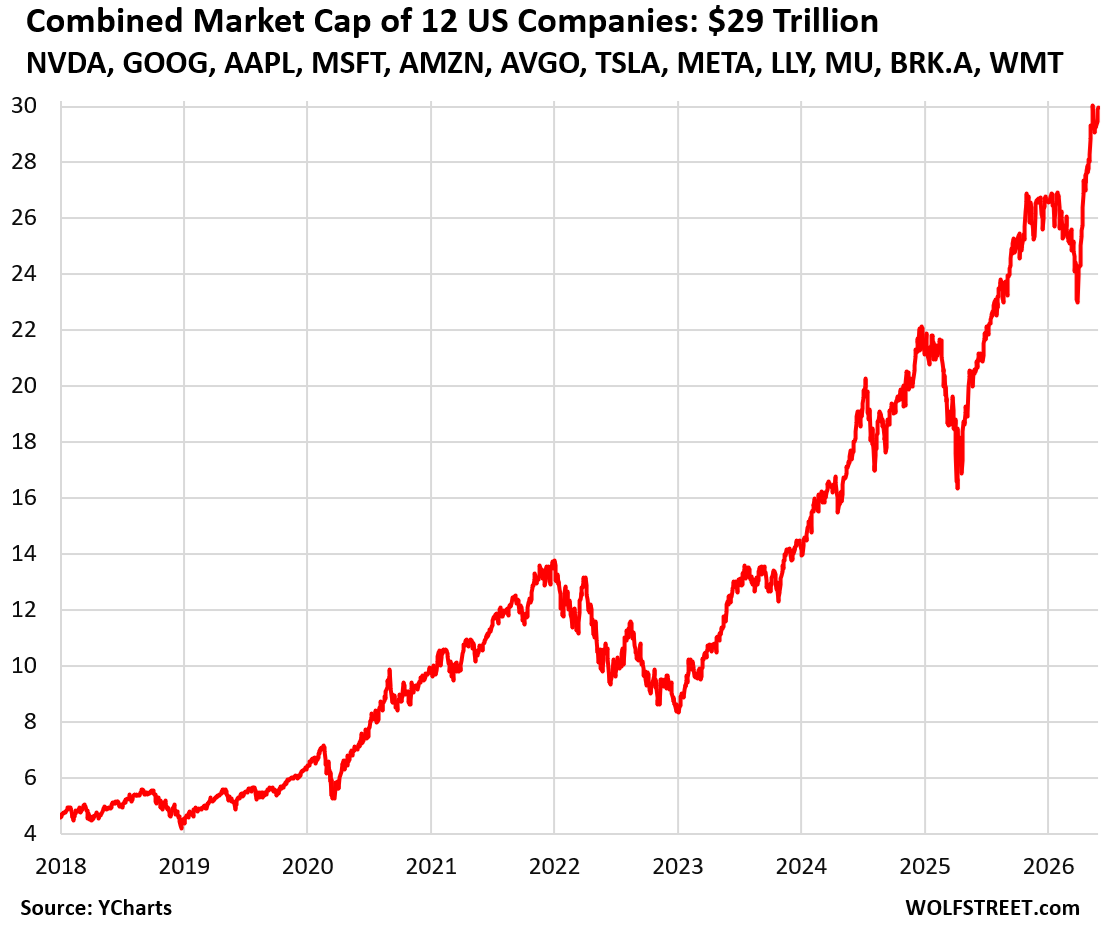
For American drivers, the pain at the pump is easing. National gasoline prices averaged $2.74 per gallon, $0.29 less than last year's $3.03. That's a welcome relief for households grappling with inflation. But for energy producers and oil-dependent economies, the slide is a warning bell. The futures market is already voting with its feet: lower oil means lower earnings for Big Oil, and that's dragging down the broader indices. The S&P 500 energy sector has lost 12% year-to-date, while the broader index is down only 2%.
“The oil price collapse is a double-edged sword: it boosts consumer spending power but slams energy stocks and signals potential economic weakness.”
By the Numbers

- WTI at $59.37: Down 24% year-over-year from $77. A stark reminder of how quickly commodity markets can turn. Lowest since December 2021.
- Brent at $63.60: Down 20.5% from $80 a year ago. The global benchmark is feeling the same pressure. The spread to WTI has narrowed to $4.23, indicating weaker global demand.
- Gasoline at $2.74/gal: A $0.29 drop from $3.03 last year. Every fill-up saves the average driver about $4. Annual savings for a typical household: roughly $180.
- S&P 500 futures down 16 points: A negative signal for Monday's open, driven largely by energy sector weakness.
- Dow futures down 104 points: Industrial and energy heavyweights are taking the hit, with Caterpillar and Boeing particularly sensitive to economic cycles.
- OPEC+ production: Increase of 400,000 b/d in April, with potential for another hike in June if prices remain weak.
- Energy sector performance: Down 12% YTD, compared to S&P 500's -2%. The sector's Sharpe ratio has fallen to 0.3, versus 0.8 for the S&P 500.

Why It Matters
Cheap oil is a classic economic paradox. On one hand, it's a tax cut for consumers and a cost reduction for businesses like airlines, trucking, and manufacturing. Every dollar saved at the pump can flow into retail, dining, or savings. That's a tailwind for the consumer-driven U.S. economy. Delta Air Lines, for instance, estimates that a $10 drop in oil prices boosts its annual earnings by $400 million. Similarly, lower fuel costs improve margins for trucking companies like UPS and FedEx.
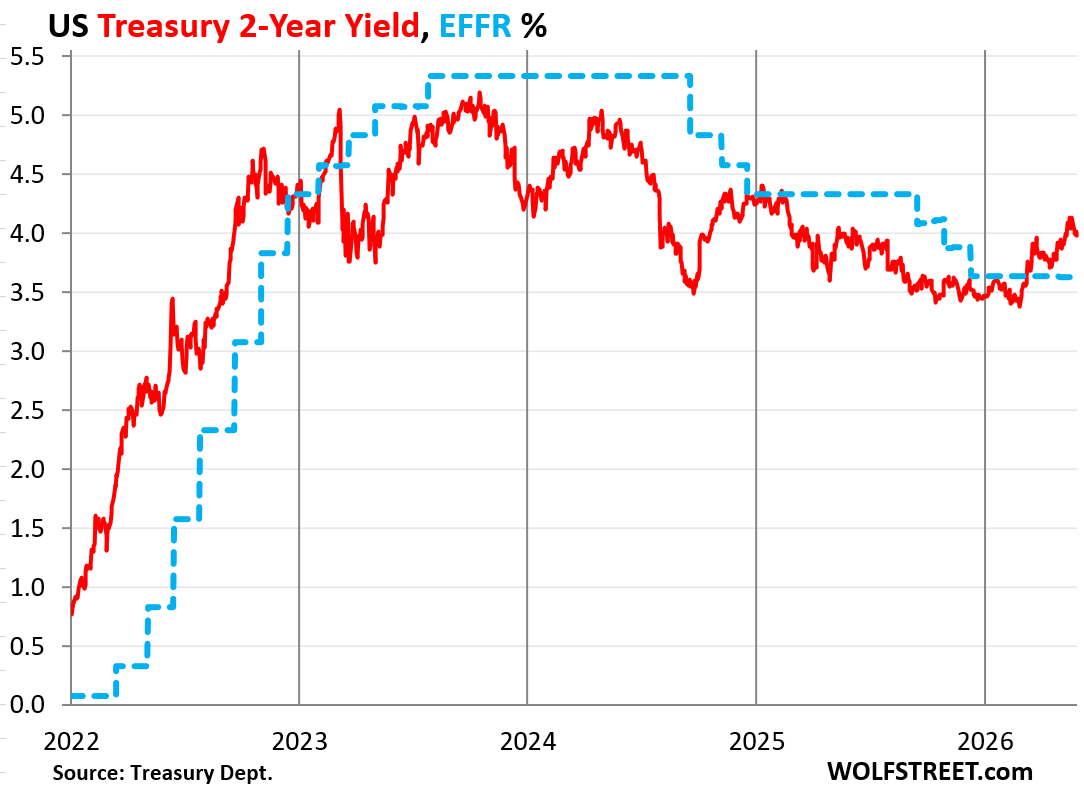
But on the other hand, falling oil prices often foreshadow a global slowdown. If demand is dropping because factories are idling and trade is shrinking, the consumer boost won't be enough to offset the broader drag. Investors are caught in the crossfire. Energy sector stocks face more pressure, while the bond market is signaling recession fears, with the 2-year/10-year yield curve flattening to 15 basis points. For oil-producing nations like Saudi Arabia and Russia, lower revenues could strain budgets and fuel geopolitical tensions. Saudi Arabia needs oil at roughly $85 to balance its budget; at current prices, its fiscal deficit could widen, potentially forcing cuts in social spending or a push for OPEC+ to reduce output.
The renewable energy sector also feels the indirect impact. Low oil prices reduce the competitiveness of alternatives like biofuels and can delay investments in clean energy. However, for net oil importers like Japan, India, and European nations, the price drop is a significant relief for their trade balances. India, for example, saves about $1 billion annually for every $1 drop in oil prices.
What This Means For You
- 1Investor: Reduce exposure to energy stocks and ETFs. Consider adding positions in consumer discretionary or transportation sectors that benefit from lower fuel costs. Hedge against further oil declines with put options on WTI futures. The energy sector's Sharpe ratio of 0.3 suggests unfavorable risk-return; consider rotating into sectors with stronger momentum, such as technology or healthcare.
- 2Driver: Enjoy the lower prices now, but don't get complacent. OPEC+ could cut production at any moment to prop up prices. Fill up and monitor weekly inventory reports. If you own a hybrid or electric vehicle, the savings are even greater, but low oil prices reduce the incentive to switch to cleaner technologies.
- 3Business owner: If your company has significant fuel costs, lock in current prices with futures contracts. This is a rare opportunity to secure low input costs for the next quarter. Airlines are already buying call options on jet fuel for Q3, anticipating a potential rebound. Logistics firms should consider diesel swaps to stabilize operating costs.
What To Watch Next
This week's calendar is light on data, but all eyes will be on Wednesday's EIA crude inventory report. A larger-than-expected build could send prices even lower. Also watch for any OPEC+ statements—rumors of an emergency meeting could trigger a short-term bounce. The Fed's next move on interest rates will also matter: a rate hike could strengthen the dollar and further depress oil prices. The U.S. employment report on Friday, June 5, will be crucial; if it shows weakness, demand concerns will intensify.
Additionally, the OPEC+ meeting on June 4 is a key event. The group is expected to discuss whether to maintain the output increase or reverse it. Rumors of an emergency cut are circulating, but lack of consensus among members could delay any decision. Investors should also monitor U.S.-China trade tensions, which could affect crude demand. Any escalation in tariffs could further dampen global growth and oil prices.
The Bottom Line
Oil at $59 is a gift for consumers but a red flag for markets. The 24% year-over-year drop suggests deeper economic currents at play. Investors should stay nimble, drivers should top off their tanks, and everyone should watch OPEC's next move. The oil market is signaling something—and it's not just cheaper gas. Volatility will be the norm, and prudence is the best ally.