Jerome Powell spoke at Harvard. Real estate markets listened.
The Big Picture
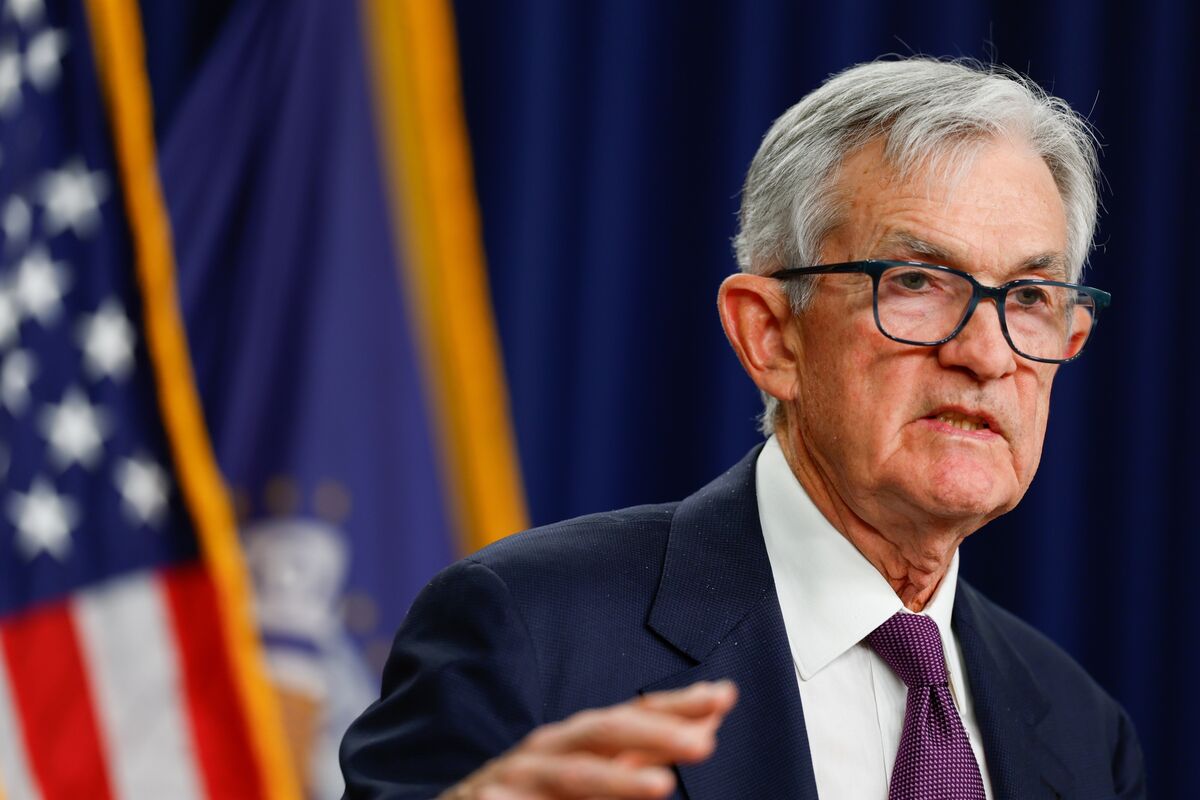
The Federal Reserve chair addressed economics students at Harvard University on Monday. His seemingly technical remarks contained specific warnings about the property sector that investors cannot ignore. Powell avoided the triumphalist language of some officials, opting instead for measured tones that underscore persistent challenges.
The U.S. economy shows recovery signs, but housing remains a soft spot. Elevated mortgage rates have cooled demand while commercial property prices face pressure. Powell acknowledged these strains without offering easy solutions.
“"The housing market requires constant vigilance in the current environment."”
Why It Matters

Powell's observations about real estate aren't incidental. They come as REITs have shown volatility and developers face higher financing costs. His emphasis on "vigilance" suggests the Fed is closely monitoring sector risks.
For homeowners, this means mortgage rates will likely stay elevated near-term. Powell signaled no imminent cuts, suggesting home purchase financing will remain expensive. in this environment.


