Twenty professional athletes have placed bets on a Chicago modular homebuilder, Kinexx Modular Construction, which is now opening its crowdfunding round to the general public. The NFL's Jameis Winston and Mark Ingram, the MLB's Edwin Jackson, and 17 other pro athletes have invested undisclosed sums in the company, which targets vacant urban lots that already have utility connections. For as little as $500, anyone can now join them.
The Big Picture
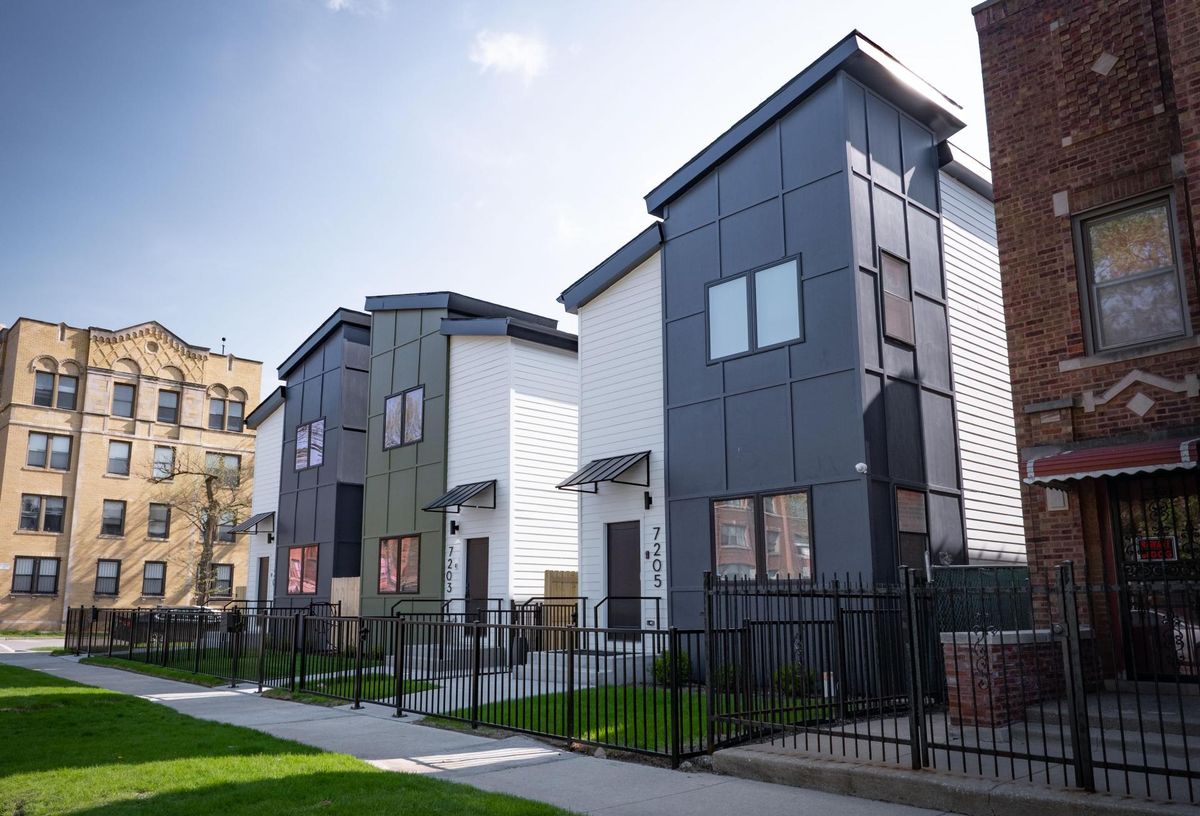
Modular construction has long been touted as a faster, cheaper alternative to traditional building, especially in dense cities where labor and materials are scarce. Kinexx is zeroing in on a specific niche: vacant lots that are already hooked up to water, sewer, and electricity but are too small or awkward for large developers to bother with. These plots dot many American cities, often in lower-income neighborhoods that have seen disinvestment.

The involvement of high-profile athletes like Winston and Ingram isn't just about the money—it's about legitimacy. Crowdfunding campaigns for real estate projects often struggle to gain traction without a recognizable name attached. The $500 minimum also democratizes access to a deal that would normally require accredited investor status, though it comes with risks: private company shares are illiquid and the company has not disclosed revenue or unit delivery numbers.
“Twenty pro athletes betting on modular housing for vacant lots signals a new frontier in affordable housing finance—if the execution matches the hype.”
By the Numbers

- Athlete investors: 20 professional athletes, including Jameis Winston (NFL), Mark Ingram (NFL), Jaylon Johnson (NFL), Cam Jordan (NFL), and Edwin Jackson (MLB).
- Minimum investment: $500 for the general public, with no institutional minimum. This is unusually low for a real estate crowdfunding deal.
- Target market: Vacant urban lots with existing utility connections—a segment that traditional builders avoid due to small scale or complexity.
- Business model: Modular construction, which can cut build times by up to 50% and reduce waste, according to industry data. Kinexx has not disclosed its own track record.

Why It Matters
The convergence of celebrity athletes, crowdfunding, and modular housing is novel. Athletes typically invest in restaurants, luxury real estate, or tech startups. That 20 of them are backing a modular builder focused on vacant lots suggests they see both social impact and financial upside.
The vacant-lot strategy is shrewd: it avoids expensive land acquisition and leverages existing infrastructure. But it also faces hurdles. Zoning laws, permitting delays, and neighborhood opposition can stall projects. Crowdfunding also exposes retail investors to liquidity risk—they can't easily sell their shares if they need cash.
The winners could be middle-income homebuyers in cities with tight housing supply, who might get new homes at lower prices. The losers would be traditional builders who fail to adapt. The wildcard is whether Kinexx can actually scale production and deliver quality homes on time.
What This Means For You
- 1For retail investors: The $500 entry is tempting, but do your homework. Check the management team's experience, the company's financials (if available), and the exit strategy. Never invest money you can't afford to lose.
- 2For homebuyers: Modular homes can be cheaper and faster to build, but inspect the materials and warranties. Ask about delivery timelines and what happens if there are delays.
- 3For real estate developers: Watch this model closely. It could disrupt the single-family home market in urban infill locations. Consider partnering with modular builders or adopting their techniques.
What To Watch Next
Kinexx is expected to announce its first completed modular home project in Chicago within the next six months. If it delivers on time and on budget, it could attract institutional investors and larger projects. Also watch for regulatory changes in real estate crowdfunding—the SEC may tighten rules after a wave of retail investor complaints in other sectors.
The Bottom Line
Twenty athletes putting money into modular housing for vacant lots is a compelling narrative, but the real test is execution. If Kinexx can turn empty plots into livable homes at scale, it could reshape affordable housing finance. If not, it will join a long list of well-funded construction startups that failed to deliver. The next 12 months will tell the story.
Deeper Analysis
The U.S. modular housing market has grown at a compound annual rate of 6% since 2020, according to the Modular Building Institute, but still accounts for less than 3% of new single-family homes. Kinexx aims to capture this growth by focusing on an underserved segment: vacant urban lots. The company claims its construction process can reduce costs by 20% compared to traditional building, though it has not provided audited data to support this figure.
The backing of elite athletes could be a double-edged sword. On one hand, it attracts media attention and potential retail investors. On the other, if the project fails, reputational damage could extend to the athletes themselves, who risk not only their money but also their image. Moreover, the SEC has shown increasing scrutiny of real estate crowdfunding platforms, especially after several fraud cases in 2024 and 2025.
Investor Perspective
For retail investors, the chance to invest alongside professional athletes can be exciting, but it should be evaluated with caution. Lack of liquidity is the biggest risk: Kinexx shares are not publicly traded, and there is no guarantee the company can buy them back or find a buyer in the future. Additionally, the company has not disclosed its valuation or the specific use of funds raised.
Institutional investors, meanwhile, will likely wait for Kinexx to demonstrate execution capability before committing significant capital. If the company completes its first Chicago project on time and on budget, it could open the door to investments from pension funds and insurers, which seek affordable housing assets with stable returns.
Market Implications
If Kinexx succeeds, it could catalyze a broader shift in the construction industry. Cities with high housing demand and vacant lots, such as Detroit, Philadelphia, and Baltimore, could benefit from a similar model. However, the replicability of the model depends on local factors like zoning regulations, land availability, and community acceptance.
The focus on lots with existing utilities reduces infrastructure costs but also limits the potential market. According to U.S. Census data, there are approximately 1.5 million vacant lots in urban areas with utilities, but many are in neighborhoods with low housing demand or crime issues. Kinexx will need to carefully select locations to ensure eventual home sales.
Near-Term Catalysts
Over the next six months, investors should watch for several key milestones:
- Completion of the first full modular project in Chicago, expected in Q4 2026.
- Potential SEC regulatory changes on real estate crowdfunding, which could affect Kinexx's ability to raise funds.
- Announcements of new projects in other cities, indicating scalability.
- Disclosure of audited financial statements, providing greater transparency on the company's financial health.
Takeaway for Operators
For real estate operators, the key lesson is that modular construction is gaining traction in specific niches. Considering partnerships with modular manufacturers or acquiring small lots in undervalued locations could be a profitable strategy. For retail investors, caution is essential: real estate crowdfunding offers access but also carries significant risks of illiquidity and capital loss.
Ultimately, Kinexx's success will depend on its ability to execute projects consistently and profitably. If it does, it could become a model for affordable housing finance in the United States. If it fails, it will serve as a cautionary tale about the dangers of mixing celebrities, crowdfunding, and innovative construction.