Jerome Powell spoke plainly at Harvard. Real estate markets face fresh uncertainty.
The Big Picture
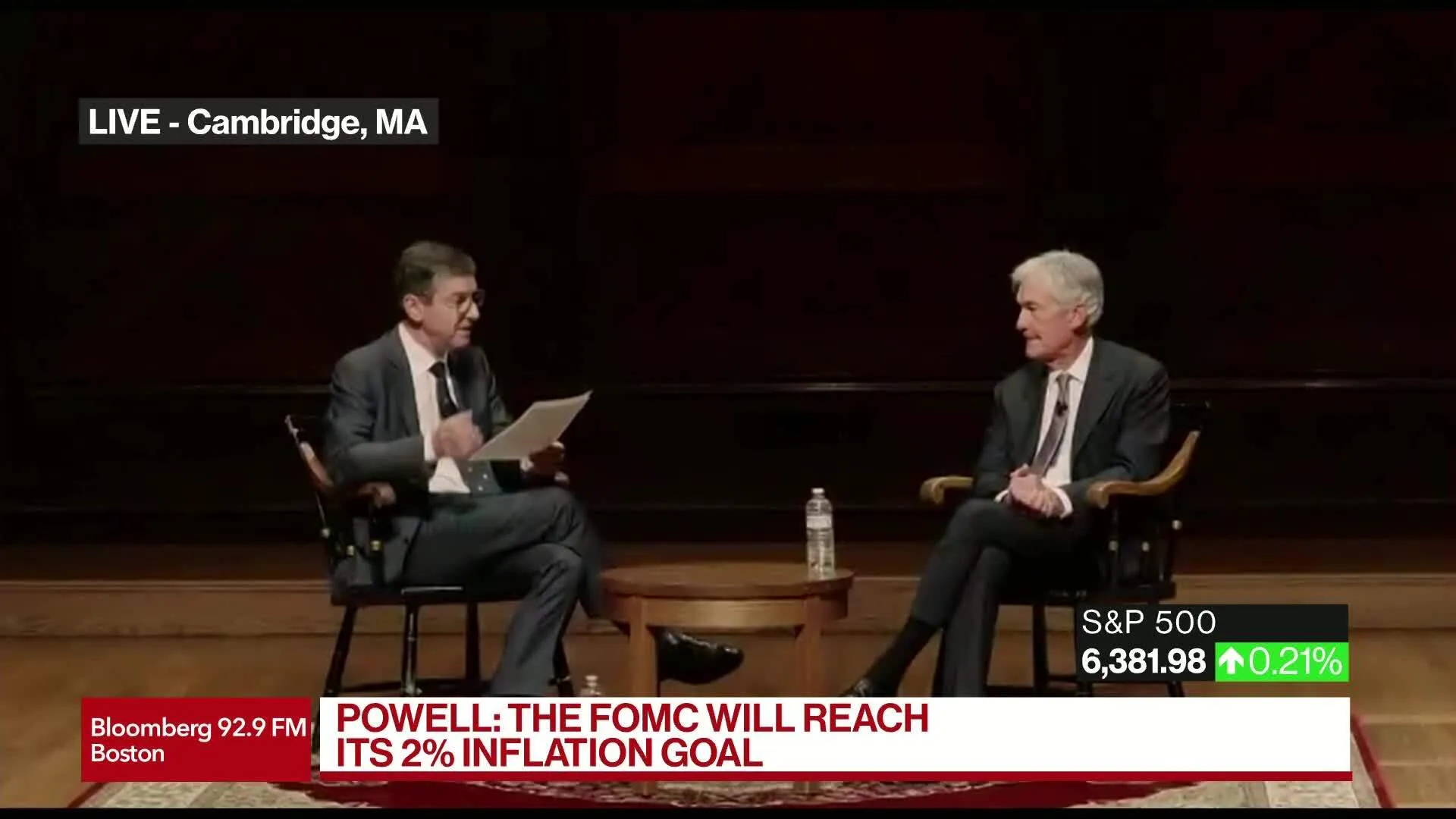
The Fed chair was direct. War with Iran creates economic risks that can't yet be quantified. Powell acknowledged the oil price rise represents a genuine supply shock.
Real estate markets are particularly sensitive to these developments. Mortgage rates remain tethered to monetary policy decisions. Any prolonged inflationary pressure could delay expected rate cuts.
“"The rise in oil prices is a supply shock that could impact inflation expectations."”
Why It Matters

Powell's statement comes at a critical moment. U.S. housing markets have shown signs of stabilization after years of volatility. Renewed inflationary pressure threatens this fragile balance.
Mortgage rates have eased from their 2024 peaks. Buyers were finally breathing easier. But supply shocks like oil price increases are precisely what the Fed least wants to see.
Powell was clear about the Fed's limitations. Rate decisions really only have a meaningful impact on demand, not supply. This is crucial for understanding how the Fed will respond. They can't fix supply problems with higher interest rates.


