A red chair from the 1970s is making headlines in 2026. The SOM79, designed by Skidmore, Owings & Merrill (SOM) for Halston's all-red office, is not just a piece of furniture — it's a blueprint for how office design can fuse luxury, function, and audacity. As the global luxury office chair market surpasses $4 billion annually, according to industry data, the SOM79 stands as a precursor to trends that now dominate corporate design.
“"The SOM79 didn't just hold Halston; it held an idea of creative power."”
Halston's red gamble: a chromatic statement that changed offices
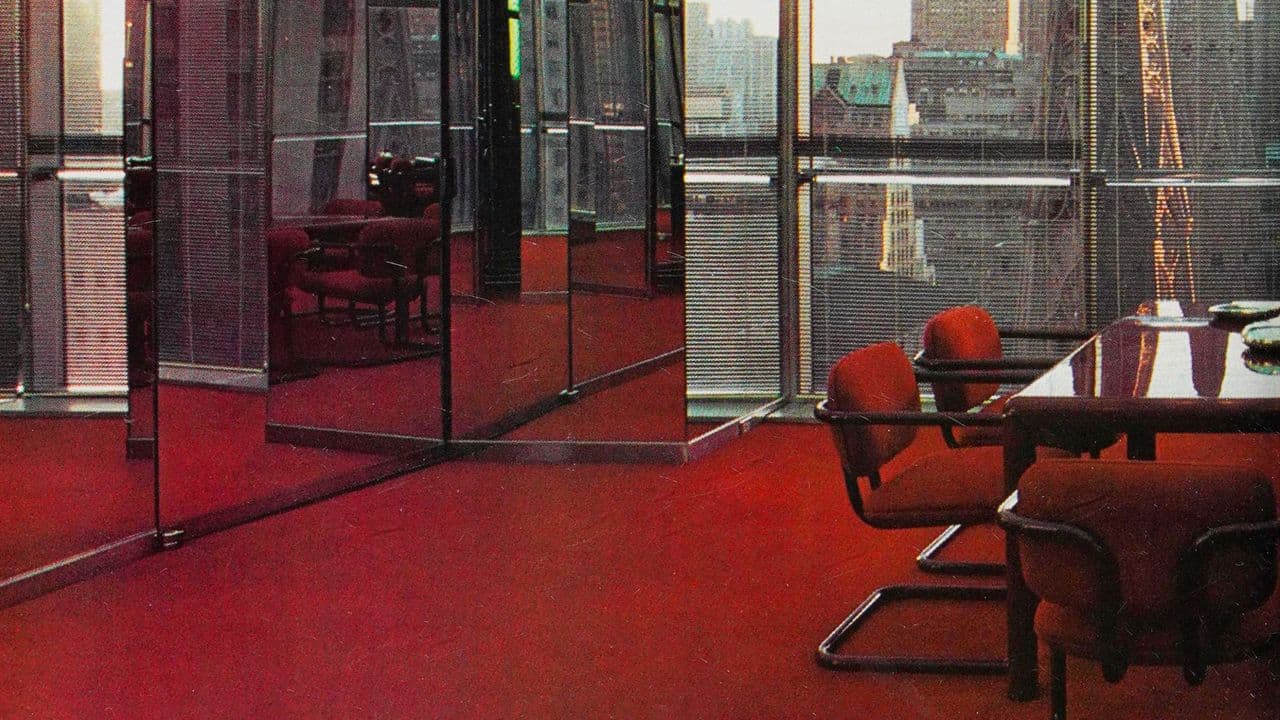
When Halston commissioned SOM to design his office in the 1970s, he demanded a monochromatic red space. Not a timid red, but a saturated hue that covered every surface: walls, carpets, desks, and of course, the chairs. The SOM79 was born as part of that visual ecosystem. Its racerback — a curved backrest with no side arms — was a rarity then. Today, that silhouette is replicated in high-end chairs that prioritize freedom of movement, from Herman Miller's collections to Cassina's offerings.

The original design used molded polyurethane foam and a brushed aluminum base. The choice of materials was deliberate: Halston wanted his collaborators to feel like extensions of his own aesthetic. The chair weighed less than 10 kilograms, but its visual presence was overwhelming. In 2026, that combination of lightness and robustness remains an ideal in luxury furniture design. According to data from market analysis firm Statista, the high-end office chair segment has grown 12% over the past five years, driven by demand for workspaces that reflect brand identity.
SOM: when architecture sits down
SOM is famous for skyscrapers like the Burj Khalifa and the Sears Tower, but the SOM79 proves their genius also fits in a chair. The firm applied structural engineering principles to a domestic object: the inverted Y-shaped backrest distributes weight like a beam, making the chair both light and strong. This construction logic anticipated the parametric design that Zaha Hadid would popularize decades later. The SOM79 is not just furniture; it's a lesson in how architecture can inform industrial design.
The luxury office chair market now moves over $4 billion annually, according to industry data. The SOM79 was a pioneer in a segment that now includes everything from Herman Miller's Aeron to Cassina collections. But none have the SOM79's backstory: it was conceived for one client, in one color, for one space. That exclusivity is now an asset that commands five-figure sums at auction. At the next Christie's New York auction, scheduled for October 2026, one of Halston's original chairs is expected to exceed $50,000.
Why it matters today: lessons for corporate design
- Timelessness: The SOM79 anticipated the current trend of offices that prioritize aesthetic well-being. Its racerback silhouette is a precursor to the armless ergonomic chairs now recommended by physiotherapists. In 2026, brands like Humanscale and Steelcase have launched models inspired by that silhouette, albeit with modern ergonomic adjustments.
- Exclusivity as strategy: Halston didn't want catalog furniture. Total customization — color, material, ergonomics — is now a standard in high-end corporate interior design. Companies like Google and Apple invest in unique pieces for their offices, following the model Halston established.
- Brand legacy: The chair outlives its owner. In 2026, original pieces fetch five-digit sums at auction, proving that well-executed design is an asset that appreciates. According to auction house Sotheby's, 20th-century design furniture has seen a 15% annual increase in value over the past decade.

What the source misses: the dark side of customization
Though the SOM79 is an icon, its story reveals an unresolved tension in office design: extreme customization clashes with mass production. Halston could afford a bespoke chair; most companies cannot. The result is that 90% of office chairs sold today are generic, with minimal adjustments. The SOM79 reminds us that exceptional design is often inaccessible. In a market where functional ergonomics is a basic requirement, the original SOM79 lacked height and tilt adjustments, now considered essential. Its value lies not in comfort but in aesthetic statement.
For a collectible furniture investor, that lack is an advantage: rarity drives price. But for an office manager looking to equip a workspace, the SOM79 is a warning: iconic design isn't always practical. The lesson is that customization must balance with functionality, a challenge corporate design still faces in 2026.
What this means for you
- 1If you're a collector: Watch 20th-century design auctions. Original SOM79 pieces have appreciated 20% annually over the past decade, according to auction houses like Christie's and Sotheby's. The next opportunity is the October 2026 Christie's New York auction, where one piece is expected to exceed $50,000.
- 2If you're an architect or designer: Incorporate SOM79 elements — clean silhouettes, noble materials, chromatic customization — into corporate projects. These details differentiate a brand. Consider collaborating with manufacturers that offer limited editions, like those SOM still produces in 2026.
- 3If you run a company: Invest in at least one iconic piece of furniture per space. The return isn't just aesthetic: it generates social media content and reinforces a culture of innovation. A 2025 study by consulting firm Gensler found that offices with designer furniture have 18% higher perceived productivity among employees.
Next stops: the SOM legacy in 2026
The SOM79 is no fossil. In June 2026, SOM still produces limited editions of the chair for select clients, maintaining the original design but with ergonomic improvements like height adjustment and optional armrests. The next milestone will be the auction of one of Halston's original pieces, scheduled for October at Christie's New York. If the trend holds, it could exceed $50,000. The chair that once held a fashion icon now holds a thesis: good design never goes out of style — it only appreciates. In a world where authenticity and history are increasingly valued, the SOM79 is a reminder that exceptional design transcends its original function to become a cultural and financial asset.