The Fed's tension hits property markets. Investors face tough choices as high rates clash with a strong economy.
The Big Picture
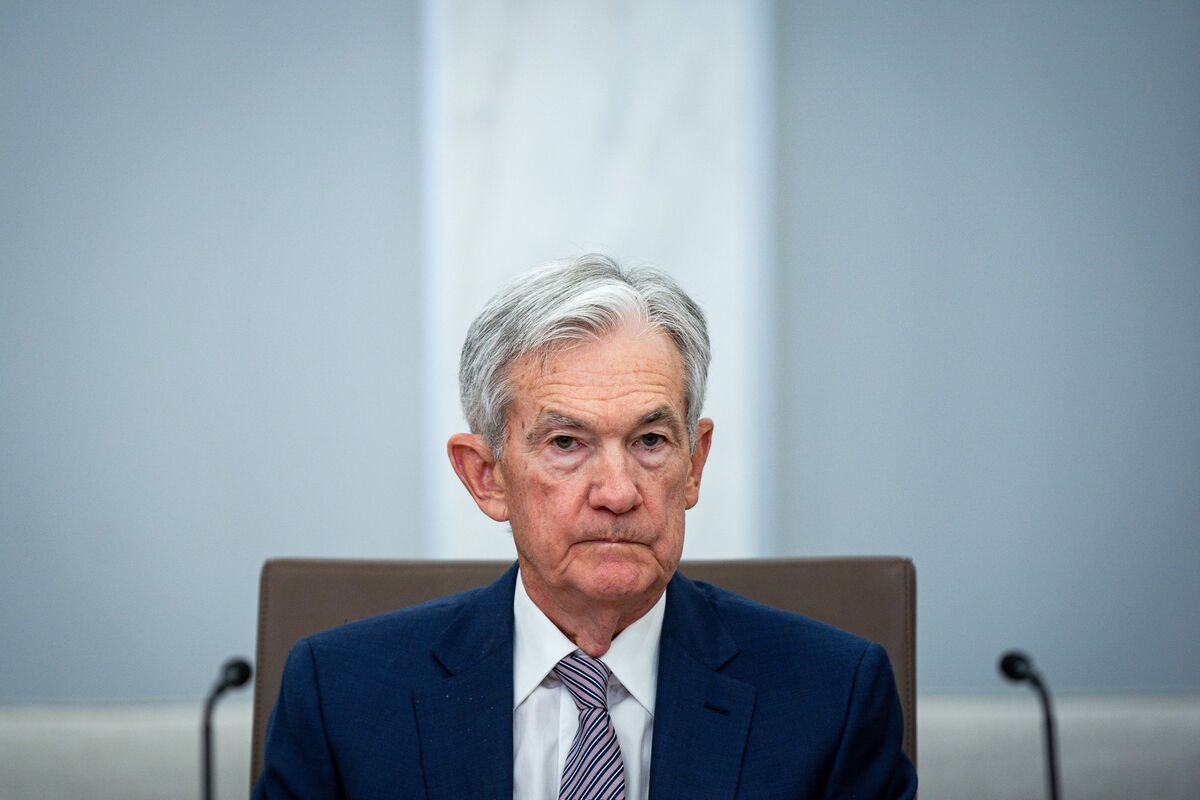
Federal Reserve Chair Jerome Powell publicly acknowledged what markets already felt: tension exists between the central bank's two mandates. Inflation remains above the 2% target. Employment shows surprising strength.
This contradiction puts the Fed in an awkward position. Normally, strong employment calls for rate hikes to cool the economy. But rates are already high, and sectors like real estate show fatigue.
“The Fed's mandate clash creates an unprecedented scenario for property markets.”
Why It Matters

Real estate markets are monetary policy's most direct transmission channel. When Powell mentions tension, developers hear "more uncertainty." Buyers hear "higher rates for longer." Real estate investment trusts (REITs) adjust their models.
Residential housing already shows cracks. New home sales fell consistently through 2025. Prices stabilized in many cities, breaking years of appreciation streaks. Developers scaled back projects, especially in luxury segments where margins compressed.


