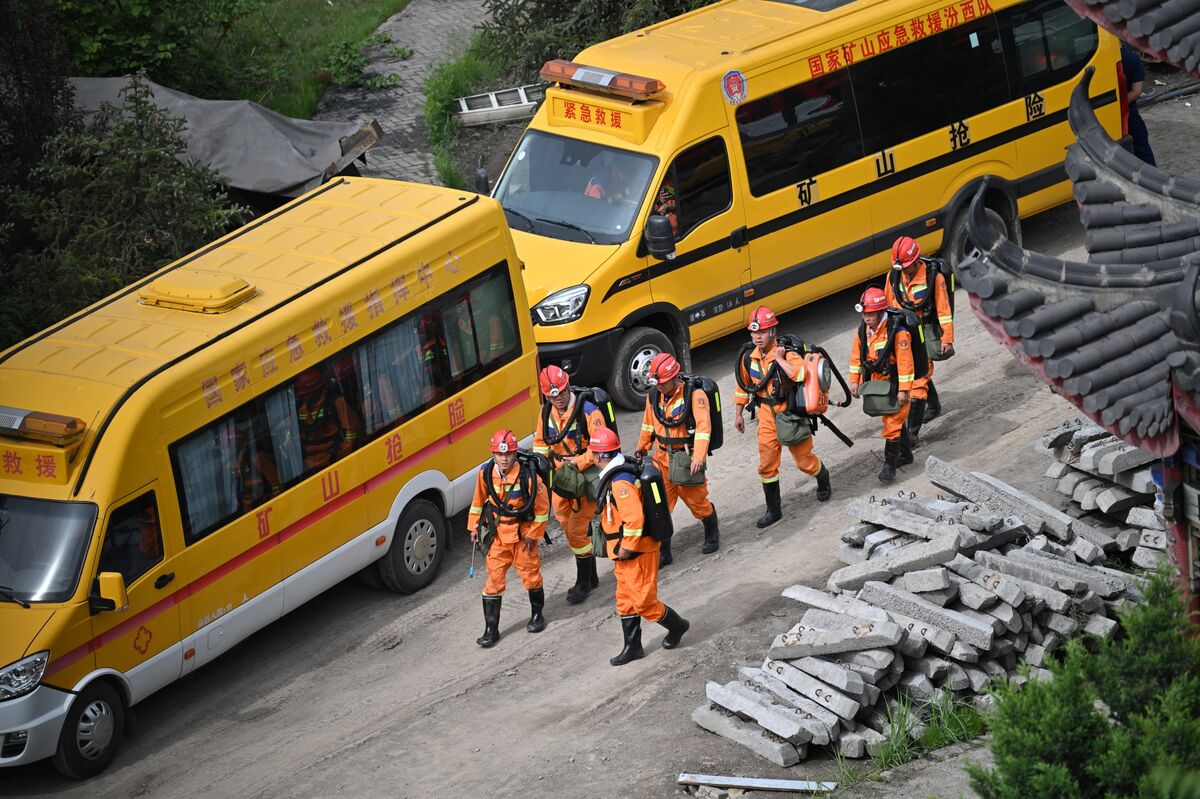
A coal mine blast in Shanxi province has killed at least 50 miners, the deadliest such disaster in over a decade. The accident, which occurred on May 20, threatens to derail President Xi Jinping's ambitious energy security strategy that has pushed coal output to record levels to shield China's economy from global shocks like the Iran war. Authorities have confirmed the explosion was caused by a methane gas buildup, and rescue teams are still searching for a dozen missing workers. This incident is not only a human tragedy but also a potential inflection point for China's energy policy, which has prioritized quantity over quality and safety.
The Big Picture
China has bet big on coal. In 2025, production hit a record 4.7 billion tons, up 8% from the previous year. The strategy has worked: blackouts that plagued factories and homes in 2021 are a distant memory, and GDP grew 5.2% in the first quarter of 2026. But the Shanxi disaster reveals the dark side of this boom: mines are running flat out, sometimes at the expense of safety. The pressure to meet production quotas has led many companies to ignore safety protocols, and government inspectors, often bribed or overwhelmed, cannot keep up. The result is an accident rate that, after years of improvement, has begun to rise again.

Xi's government has prioritized energy self-sufficiency since Russia's invasion of Ukraine in 2022, and the Iran war in 2024 only reinforced that resolve. However, every extra ton of coal carries risks: in 2025, the fatality rate in coal mines rose 15% after years of improvement. The Shanxi accident could be a turning point. Analysts are already speculating that Beijing may tighten regulations, which would reduce output and increase costs. But there is also a possibility that the government downplays the incident to avoid energy supply disruptions, a decision that could fuel social unrest in mining regions.