Iran-backed Houthis fired ballistic missiles at Israel. Global real estate markets now face another layer of geopolitical risk.
The Big Picture
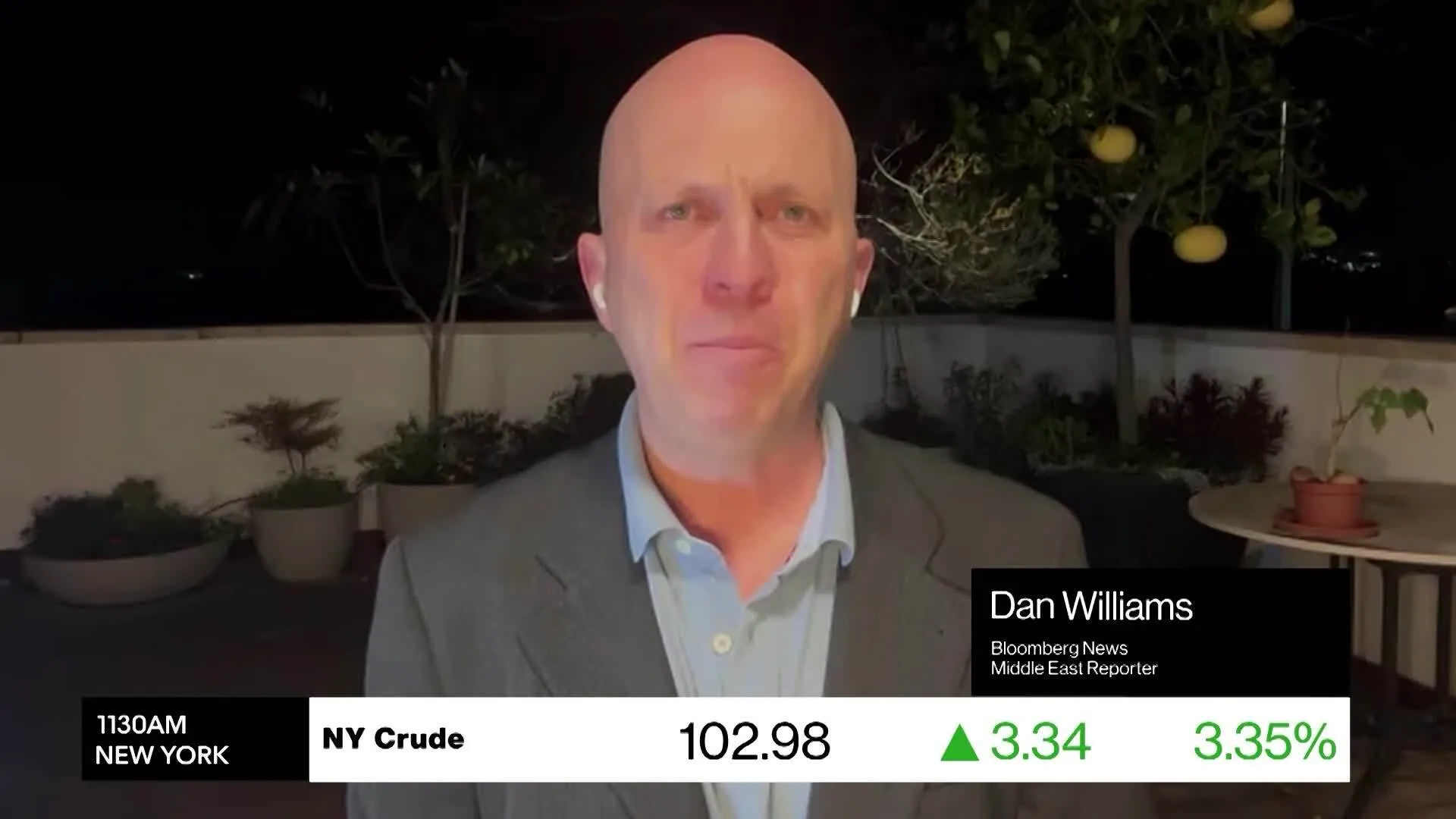
The escalation comes as Israel continues strikes on both Iran and Lebanon. Bloomberg reports Israel is trying not to give Houthis a propaganda victory after Saturday's attack.
This isn't just another war headline. It's a signal of how regional conflicts can destabilize global capital markets. Real estate investors, particularly those with Middle East exposure, are reassessing positions.
“Geopolitics has become the number one risk factor for global real estate markets.”
Why It Matters

Real estate has always been stability-sensitive. When missiles fly, capital seeks shelter. Not in gold or Treasuries, but in properties in cities like Miami, Singapore, and Zurich.
REITs with Middle East exposure are already feeling pressure. Funds investing in commercial properties in Tel Aviv, Dubai, and Riyadh face uncomfortable questions from investors. The "safe asset" narrative is being redefined in real time.
The very architecture of cities is changing. Developers incorporate more underground spaces, air filtration systems, and infrastructure redundancies. It's not paranoia—it's pragmatism in a world where can alter risk calculations overnight.


