Chan Santokhi died unexpectedly. His departure from power last year had already created uncertainty in energy markets.
The Big Picture
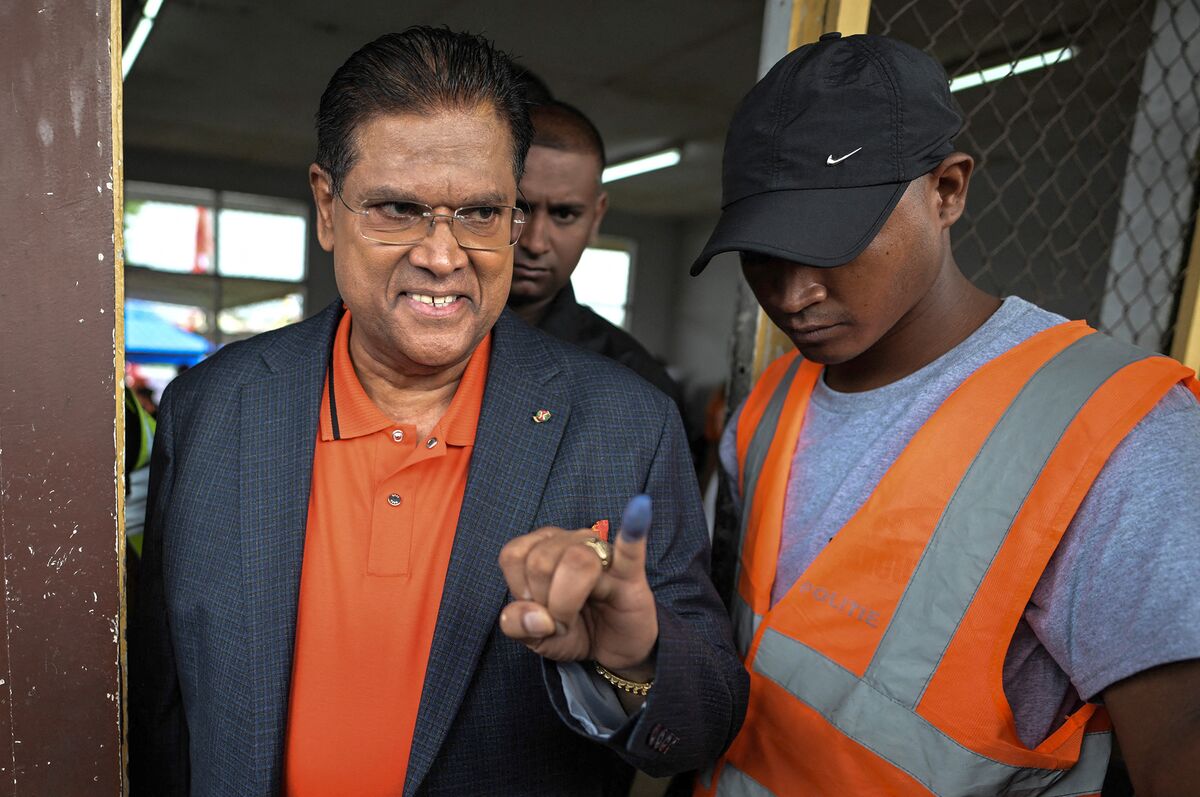
Suriname holds significant offshore oil reserves discovered in the past decade. The 600,000-person nation relies on gold, oil, and bauxite but seeks economic diversification.
Santokhi led negotiations with ExxonMobil and TotalEnergies during his tenure. His administration established regulatory frameworks for offshore projects that could transform the national economy. The 2025 political transition introduced new priorities.
“Santokhi's death closes a chapter, but uncertainty about Suriname's energy policy persists.”
Why It Matters

Energy investors have watched Suriname for years. Reserves in Block 58, operated by TotalEnergies, represent one of South America's largest recent oil discoveries. Santokhi had pushed deals promising production startup by 2028.
His departure last year already raised questions about regulatory continuity. The new government showed mixed signals: maintaining some contracts while reviewing fiscal terms. The former president's death removes a key figure who understood prior commitments.


