Markets: The Persistent Squeeze From War's Economic Fallout
PMI surveys have already started to come down, signaling lasting damage to confidence and growth. How will this reshape real estate valuations and investment st
Real estate markets face persistent pressure. Geopolitical uncertainty is rewriting investment fundamentals.
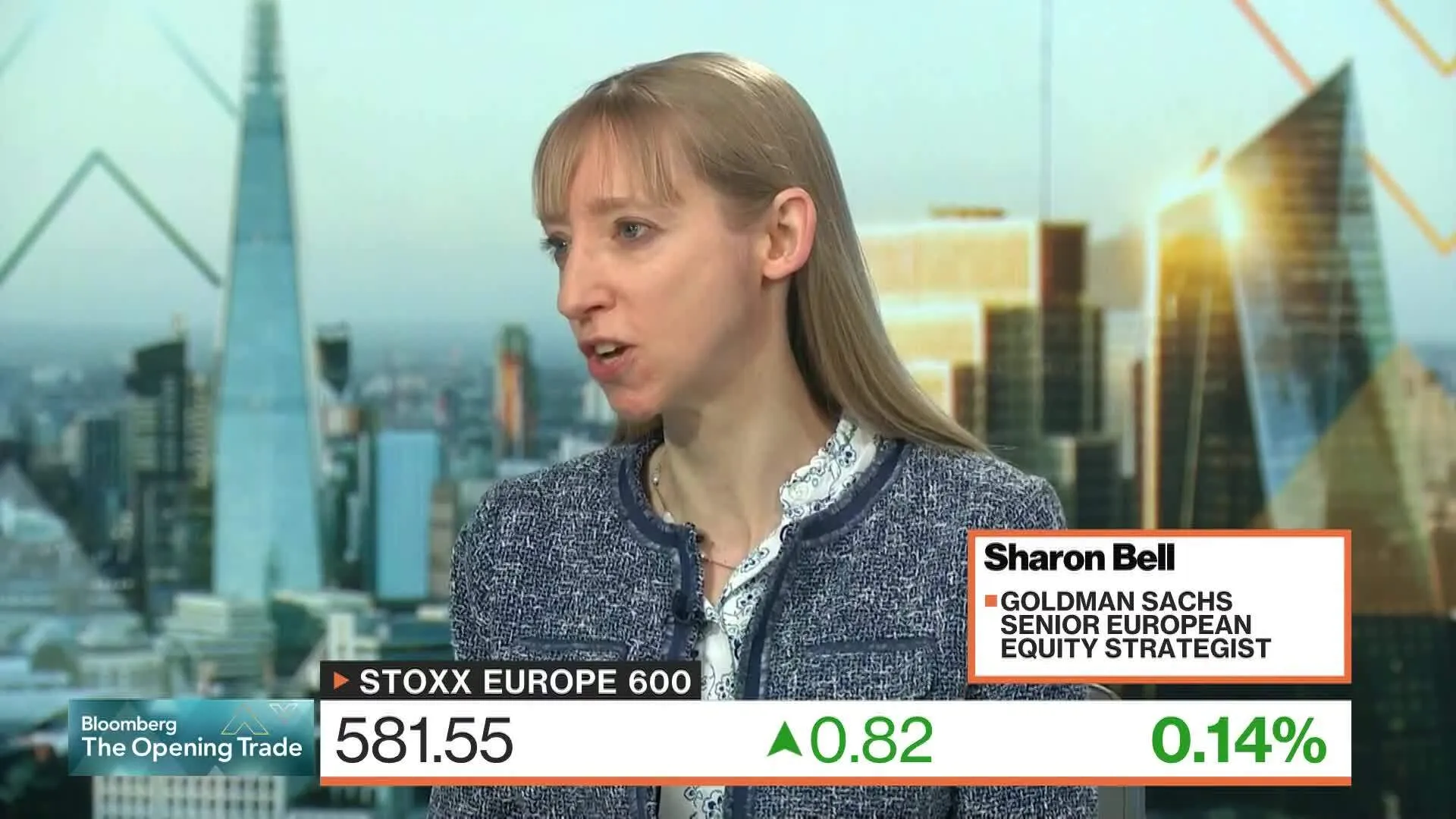
The Big Picture The Iran conflict has triggered a ripple effect that extends far beyond immediate geopolitical concerns. Sharon Bell, Goldman Sachs' senior European equity strategist, notes that even a swift resolution won't prevent sustained negative economic impact. This isn't speculative analysis: **PMI surveys have already started to come down**, confirming economic damage is already underway. For real estate, this creates a multifaceted challenge affecting everything from construction costs to commercial and residential demand.
The connection between geopolitical conflicts and property markets is more direct than many investors acknowledge. Higher energy costs translate immediately into increased building operational expenses, pricier construction materials, and squeezed developer margins. Beyond the numbers lies a crucial psychological component: consumer and business confidence erodes, delaying purchase, leasing, and development decisions. In a context where interest rates already present challenges, this additional uncertainty layer creates a particularly complex environment for real estate assets.
“"PMI surveys, for example, have already started to come down. So I think there's already been damage."”
Why It Matters The PMI deterioration isn't an isolated data point but a leading indicator of economic contraction that historically precedes real estate market corrections. When purchasing managers' surveys show contraction, they typically foreshadow reduced commercial activity, translating to weaker demand for office, retail, and industrial space. For REITs and real estate investment funds, this means reassessing rental income projections and occupancy rates. The **already visible damage in PMIs** suggests these adjustments won't be temporary but could extend through multiple quarters.
The persistence of the impact, as Goldman Sachs warns, transforms what might have been a temporary correction into a structural recalibration of expectations. Developers planning new projects now face a different calculus: higher financing costs due to uncertainty, volatile material prices, and less predictable future demand. In residential segments, potential buyers might postpone decisions given prospects of slower economic growth and potential employment impacts. This dynamic creates a scenario where even traditionally resilient real estate markets face unusual pressures.


