ESEN

Brick & Bit

Real Estate & AI Intelligence

HomeAIInvestmentReal EstateLuxuryMarkets

Brick & Bit

Your premium news source for global real estate markets, investments, artificial intelligence, and trends. AI-curated and analyzed content.

Categories

  • AI
  • Investment
  • Real Estate
  • Luxury
  • Markets

Quick Links

  • Home
  • Search
  • About Us
  • Contact
  • Market Data
  • Guides
  • Resources & Guides
  • Glossary

Legal

  • Privacy Policy
  • Terms of Service

AI-curated content

© 2026 Brick & Bit

Home/Markets/Markets: The Asian Bet on Hormuz Closure
Markets

Markets: The Asian Bet on Hormuz Closure

A panel with Nisha Biswal and Syed Akbaruddin discusses the near-closure of the Strait of Hormuz, impacting 2 billion people in South Asia. Investors are reposi

March 31st, 2026Bloomberg Markets3 min readAI-curated content

Share article

The Strait of Hormuz nears closure, threatening global oil flows. Financial markets brace for geopolitical uncertainty in South Asia.

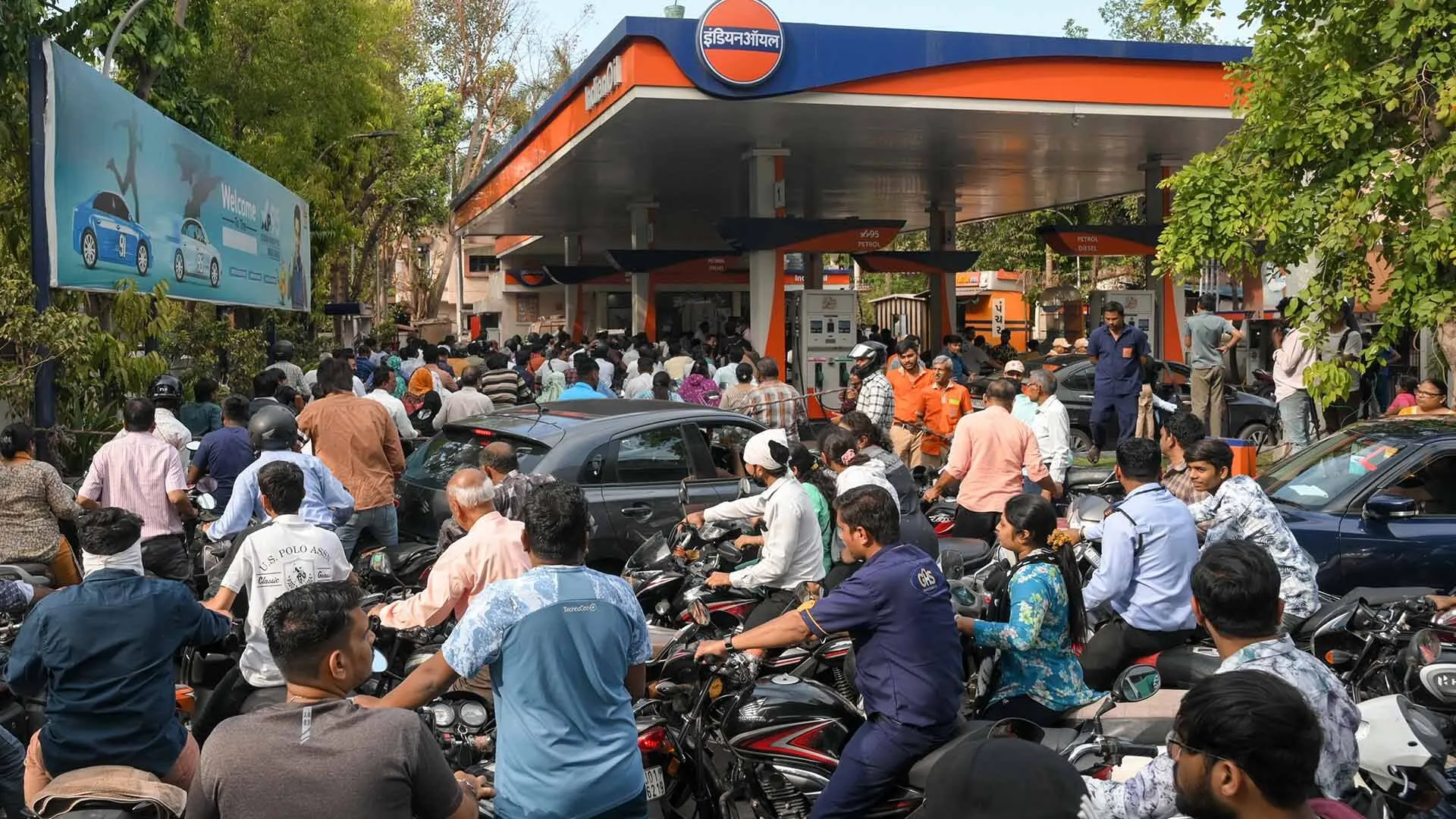
The Big Picture The Strait of Hormuz is a critical chokepoint for global energy trade, handling about one-fifth of the world's oil. Its near-closure sends immediate shockwaves through crude prices and supply stability. In South Asia, countries like India, Pakistan, and Bangladesh rely heavily on oil and gas imports via this route, making them vulnerable to disruptions. The region is home to over 2 billion people, whose economies are intertwined with cheap, reliable energy. Any disturbance here isn't just a local issue; it's a macroeconomic event with global ripples, affecting everything from inflation to supply chains.
Markets: The Asian Bet on Hormuz Closure

The discussion between Nisha Biswal, former U.S. Assistant Secretary of State for South and Central Asian Affairs, and Syed Akbaruddin, former Permanent Representative of India to the UN, underscores the gravity. Their panel, sourced from Bloomberg, highlights how regional political and economic leaders are weighing contingencies. With no specific numbers in the source material, qualitative analysis reveals growing anxiety among policymakers and investors. Recent history shows that crises in the Persian Gulf often lead to spikes in commodity market volatility, which in turn impacts currency rates, foreign reserves, and trade deficits in emerging economies. This context sets the stage for strategic repositioning in investment portfolios, as market players anticipate a more fragmented energy landscape.

“South Asia's resilience to the Strait of Hormuz closure is being tested, with investors reallocating capital toward energy alternatives and defensive assets.”

Why It Matters For investors, the Strait of Hormuz closure represents a systemic risk that demands a reassessment of asset allocations. Equity markets in India and other South Asian nations could face downward pressure, particularly in energy-sensitive sectors like transportation, manufacturing, and consumer goods. Historically, Gulf crises have triggered capital flight from emerging markets into safe havens like the U.S. dollar or Treasury bonds. In 2026, with global economies still navigating post-pandemic and trade tension aftershocks, an oil supply shock could exacerbate inflationary pressures, complicating central bank efforts. Savvy investors are monitoring indicators like crude futures prices, sovereign credit spreads, and ETF flows as early signs of market stress.

Beyond financial markets, the real estate and urban development implications are profound. South Asian cities, from Mumbai to Dhaka, have seen a construction boom driven by rapid economic growth and urbanization. A sustained rise in energy costs could stall infrastructure projects, increase building material prices, and dampen demand for residential and commercial spaces. Developers reliant on debt financing might face higher borrowing costs if interest rates climb in response to inflation. Moreover, the commercial real estate sector, particularly logistics hubs and warehouses that facilitate trade, could see shifts in usage patterns as supply chains adapt to alternative routes. This might benefit ports and transport corridors outside the Gulf, such as those in East Africa or Southeast Asia, drawing investment in related real estate.

◆

The Bottom Line Watch Brent and WTI oil prices for signs of persistent strain; a surge above current levels could trigger sell-offs in emerging markets. Consider diversifying into resilient sectors like renewable energy, alternative port infrastructure, and logistics REITs in less exposed regions. Real estate investors should assess portfolio exposure to South Asian markets and hedge with assets in stable economies. Political action, such as diplomatic efforts to reopen the strait or emergency supply deals, will be key; any resolution could offer buying opportunities in depressed assets. Stay agile: in 2026, geopolitical volatility is the new normal, and portfolios that prioritize flexibility over static bets are better positioned.

Tags

marketsenergy-volatilitysouth-asiageopolitical-risk2026-outlook

Enjoyed this article? Share it.

Related Articles
Aluminum Squeeze: War Disruption Rattles Global Markets
Markets

Aluminum Squeeze: War Disruption Rattles Global Markets

Aluminum heads for a 10% monthly surge, the biggest in nearly two years, as Middle East war disrupts supplies. The ripple effects could reshape investment strat

Bloomberg Markets|37 minutes ago
Heir Clash: The $124 Trillion Real Estate Time Bomb
Real Estate

Heir Clash: The $124 Trillion Real Estate Time Bomb

$124 trillion will change hands globally, but $42 billion in U.S. property may vanish in heir disputes. The will crisis threatens history's largest wealth trans

Realtor.com News|38 minutes ago
Mortgage Rankings: A Shift in Industry Transparency
Housing Market

Mortgage Rankings: A Shift in Industry Transparency

HousingWire launched its Mortgage Rankings on March 31, 2026, using 2025 transaction data. This move aims to bring clarity to a historically opaque industry.

HousingWire|38 minutes ago