A Kuwaiti oil tanker burns in Dubai's port. Iran's attack threatens global energy stability just as markets crave certainty.
The Big Picture
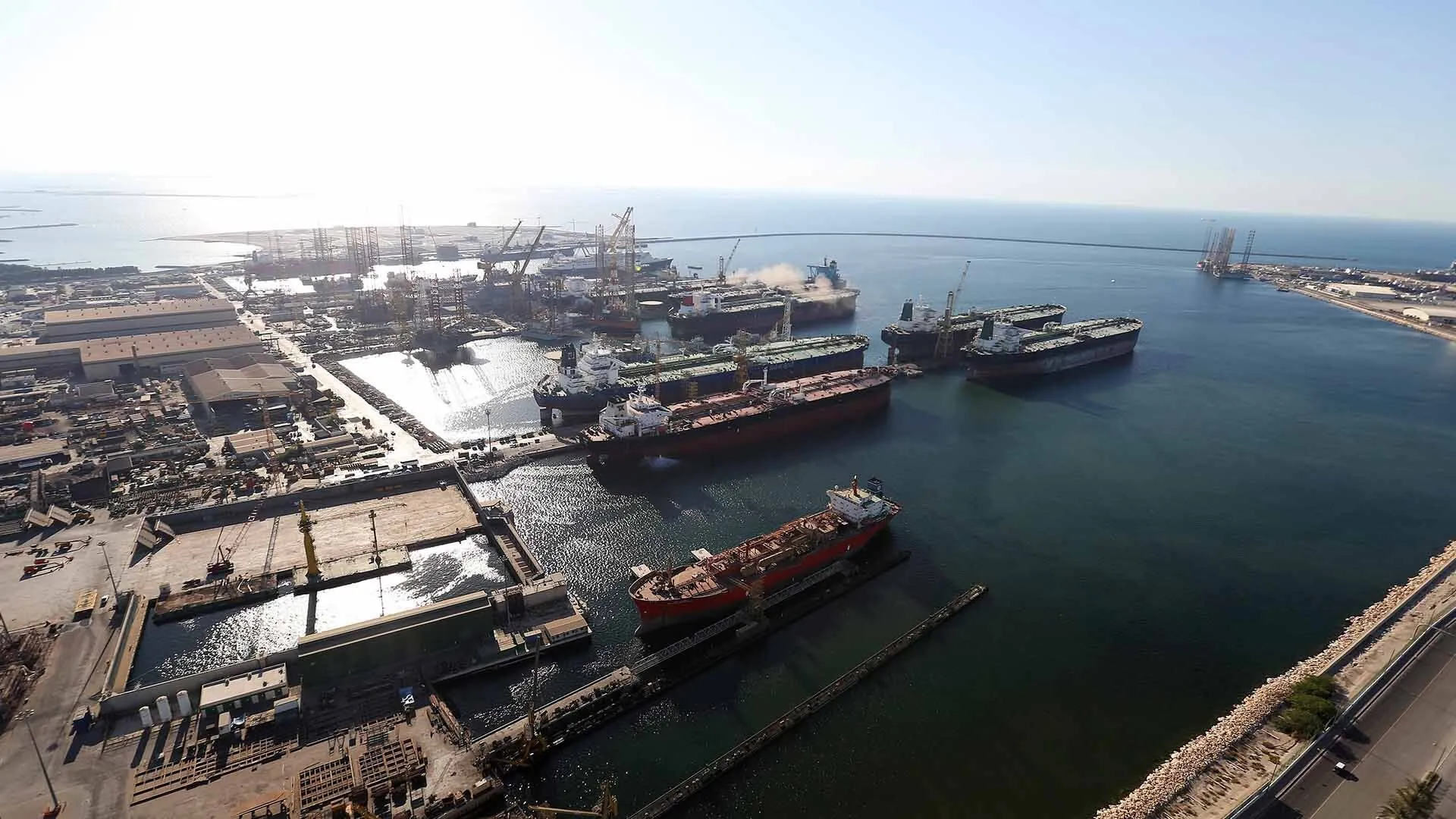
Iran's strike on a fully laden Kuwaiti oil tanker in Dubai's anchorage area represents a dangerous escalation in regional tensions. The attack demonstrates Tehran's capability to disrupt energy flows through one of the world's most critical maritime chokepoints. This incident arrives at a particularly sensitive moment for global markets in 2026, which face persistent inflationary pressures and coordinated monetary tightening.
Gulf geopolitics have always influenced oil prices, but this direct assault on energy infrastructure marks a new risk threshold. Markets had learned to navigate sanctions and diplomatic tensions, but physical attacks on tankers reintroduce volatility that trading algorithms cannot easily price. The response from regional and global powers will determine whether this is an isolated incident or the start of a new phase of instability.
“Physical attacks on tankers reintroduce volatility that trading algorithms cannot easily price.”
Why It Matters

Financial markets operate as complex systems where disruptions in one sector propagate rapidly to others. isn't merely an isolated energy event; it's a shock that will reverberate across multiple asset classes. Oil prices, already sensitive to any supply disruption, will likely face immediate upward pressure. This comes in a year when the Federal Reserve and other central banks maintain restrictive policies to control inflation.


