ESEN

Brick & Bit

Real Estate & AI Intelligence

HomeAIInvestmentReal EstateLuxuryMarkets

Brick & Bit

Your premium news source for global real estate markets, investments, artificial intelligence, and trends. AI-curated and analyzed content.

Categories

  • AI
  • Investment
  • Real Estate
  • Luxury
  • Markets

Quick Links

  • Home
  • Search
  • About Us
  • Contact
  • Market Data
  • Guides
  • Resources & Guides
  • Glossary

Legal

  • Privacy Policy
  • Terms of Service

AI-curated content

© 2026 Brick & Bit

Home/Luxury Real Estate/Luxury Squeeze: 432 Park's Decline and the Premium Market
Luxury Real Estate

Luxury Squeeze: 432 Park's Decline and the Premium Market

Since The New York Times published its damning story, 432 Park Avenue has faced years of challenges. What does this reveal about luxury real estate's future in

March 31st, 2026Curbed3 min readAI-curated content

Share article

Luxury real estate faces unprecedented pressure in 2026.

The Big Picture
Luxury Squeeze: 432 Park's Decline and the Premium Market

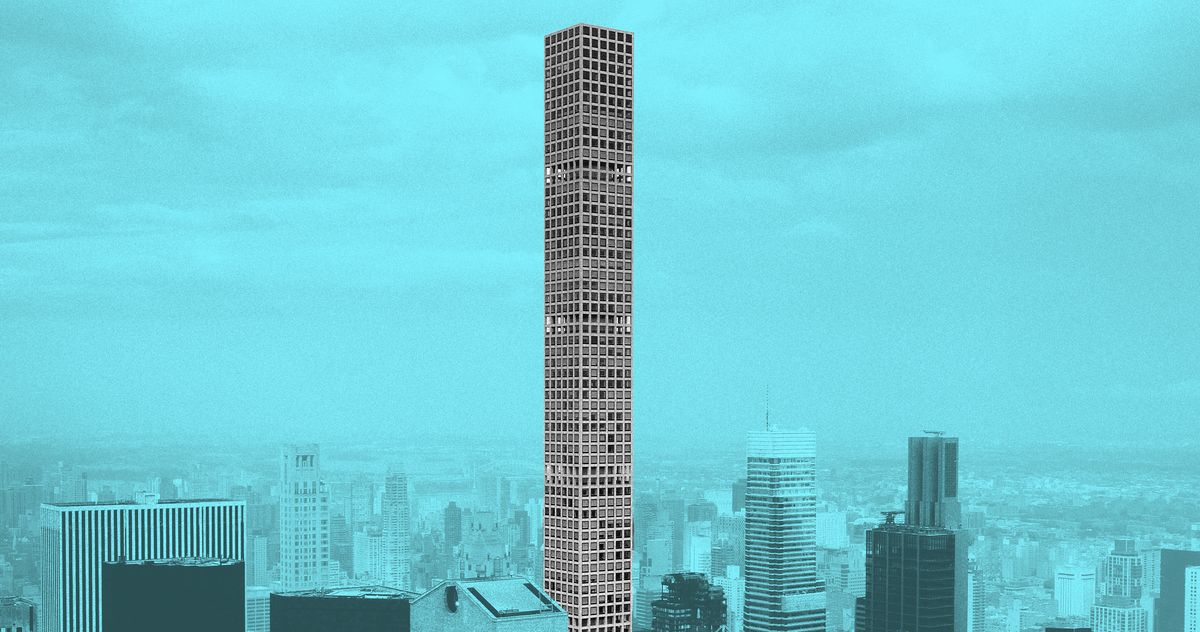
432 Park Avenue, that iconic residential skyscraper in Manhattan, has transformed from the epitome of urban luxury into a case study in premium market risks. The damning story published by The New York Times years ago wasn't just a public relations setback—it marked the beginning of a demystification process that has exposed structural vulnerabilities in this market segment. In an environment where high-net-worth buyers grow increasingly sophisticated and demanding, properties that once sold on prestige alone must now demonstrate tangible value beyond their zip code.

What we're witnessing at 432 Park isn't an isolated phenomenon but part of a broader adjustment in global luxury real estate. As economies face persistent inflationary pressures and restrictive monetary policies continue into 2026, premium property buyers are reevaluating priorities. The pursuit of authentic experiences, genuine sustainability, and verifiable construction quality is replacing simple ostentation. This paradigm shift is redefining what "value" means at the market's upper extreme.

“An iconic building becomes the symbol of a premium market that must reinvent itself.”

Why It Matters

The situation at 432 Park reveals fundamental tensions in the luxury real estate ecosystem that extend far beyond a single building. First, it exposes how public perception and reputation have become financial assets as important as construction materials or panoramic views. In the digital transparency era, where any deficiency can go globally viral within hours, developers can no longer rely on problems staying contained within their properties' walls. The Times' critical story demonstrated how journalistic scrutiny can catalyze narrative shifts that directly impact property values and occupancy rates.

Second, the case illustrates the growing disconnect between price and perceived value in the ultra-premium segment. When buyers pay tens of millions for a property, they expect perfection, not compromises. Expectations have evolved since luxury development's early days, when novelty and exclusivity sufficed to justify stratospheric prices. Today, in 2026, educated buyers demand transparency about everything from construction materials to long-term maintenance costs. This demand for comprehensive information is forcing the entire sector to operate under new disclosure standards.

Finally, 432 Park's experience highlights how negative news cycles can create vicious circles difficult to break. Once a building develops a reputation for problems, it attracts more scrutiny, which in turn discourages potential buyers and residents, further reducing its value and appeal. This self-fulfilling prophecy phenomenon represents a systemic risk for any luxury development that doesn't proactively manage both its physical reality and public narrative. In a market where trust is the most valuable currency, restoring it once lost requires substantial investments of time and resources.

◆

The Bottom Line

Watch how other luxury developments respond to 432 Park's lessons in 2026. Successful projects will incorporate transparency from the design phase, prioritize verifiable quality over mere prestige, and develop proactive communication strategies that anticipate rather than merely react to public scrutiny. For investors and buyers, the message is clear: in today's premium market, true luxury is no longer measured solely in square footage or floor numbers, but in structural integrity, demonstrable sustainability, and long-term reputational resilience.

Tags

real-estateluxury-marketus-housing2026-outlookmarket-trends

Enjoyed this article? Share it.

Related Articles
Refinance Race: Opendoor Bets on Doma to Slash Mortgage Costs
Housing Market

Refinance Race: Opendoor Bets on Doma to Slash Mortgage Costs

Doma's technology cut title insurance costs in a Fannie Mae pilot program. This acquisition could reshape mortgage refinancing in 2026's competitive housing mar

CNBC Real Estate|about 3 hours ago
AI Benchmarks: The Real Estate Reality Check
Artificial Intelligence

AI Benchmarks: The Real Estate Reality Check

AI models with 98% accuracy in lab tests fail in real environments. The real estate industry needs benchmarks measuring performance in human teams over extended

MIT Technology Review|about 3 hours ago
Clash: AI Health Tools and the Pentagon's Culture War
Artificial Intelligence

Clash: AI Health Tools and the Pentagon's Culture War

Microsoft, Amazon, and OpenAI launched medical chatbots, but external evaluation is scant. Meanwhile, the Pentagon's clash with Anthropic sparks a regulatory cr

MIT Technology Review|about 3 hours ago