Construction costs are rising again. This matters because margins are thin and affordability is already stretched.
The Big Picture
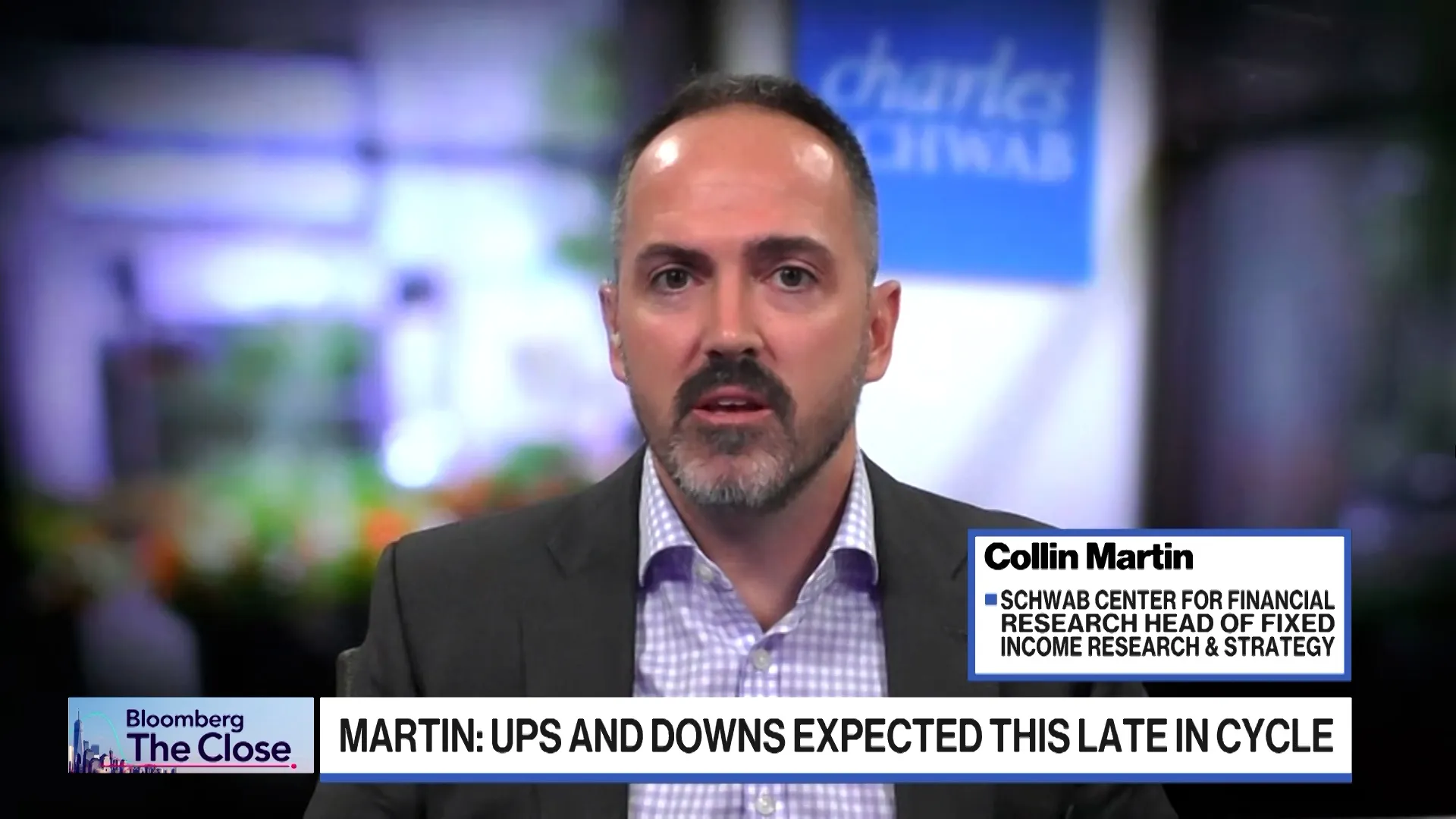
A prolonged Iran conflict threatens global price stability. Schwab's Collin Martin warns geopolitical tensions could reignite inflationary pressures just as real estate seeks equilibrium after years of volatility.
Labor mandates present another risk vector. In a market already short on skilled workers, new wage or benefit requirements could push development costs higher. This comes as developers race to complete projects launched during the post-pandemic boom.
“Iran tensions could destabilize prices just when construction needs certainty.”
Why It Matters

Construction costs typically account for 60% of a residential project's final value. Any inflationary pressure transmits directly to sale or rental prices, squeezing affordability amid still-elevated mortgage rates.
Labor mandates could exacerbate this squeeze. If governments implement stricter wage or benefit requirements, developers face tighter margins. This might slow new projects just when inventory needs expansion.


