Iranian drones set Kuwait Petroleum Corp.'s headquarters ablaze on the morning of April 5, 2026, triggering an energy crisis that is fundamentally rewriting global real estate investment rules. What began as an isolated geopolitical incident has become a systemic inflection point, exposing the vulnerability of a sector built on decades of cheap, stable energy. Developers, investors, and property owners worldwide now confront a new reality where construction costs are no longer predictable and energy security has become a critical valuation factor.
The Big Picture
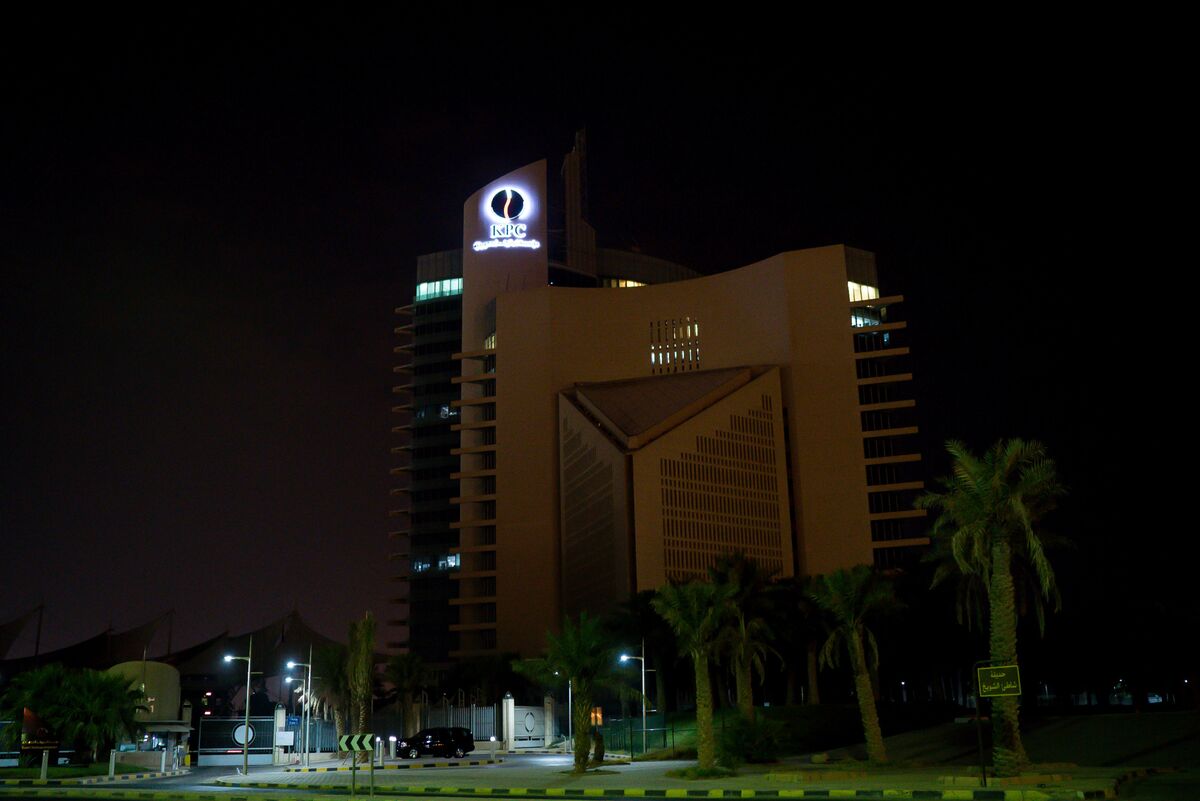
Drone strikes in the Persian Gulf used to be foreign policy page news. Not anymore. The torching of Kuwait Petroleum Corp.'s headquarters on April 5, 2026, has turned geopolitics into an immediate, quantifiable risk factor for global property markets. When oil prices spike, everything about construction gets more expensive: steel, cement, transportation, job site energy. Developers already grappling with high interest rates now face a perfect storm of input costs that threatens the viability of projects across the real estate spectrum.
The architecture of global real estate markets was built on the premise of cheap, stable energy. That foundation is cracking under the pressure of a new geopolitical normal. Repeated attacks on energy infrastructure in the Gulf aren't isolated incidents; they're symptoms of an era where supply security is no longer guaranteed and energy volatility has become a permanent variable. Real estate investors who used to worry primarily about location, design, and demographics must now incorporate geopolitical risk calculations into their valuation models, analyzing not just where to build, but when and with what energy resilience.
“Geopolitics has become the new valuation factor for real estate assets, as important as location or construction quality.”


