Oil prices climb as Washington sends mixed messages. This matters because geopolitical uncertainty is reshaping global energy bets.
The Big Picture
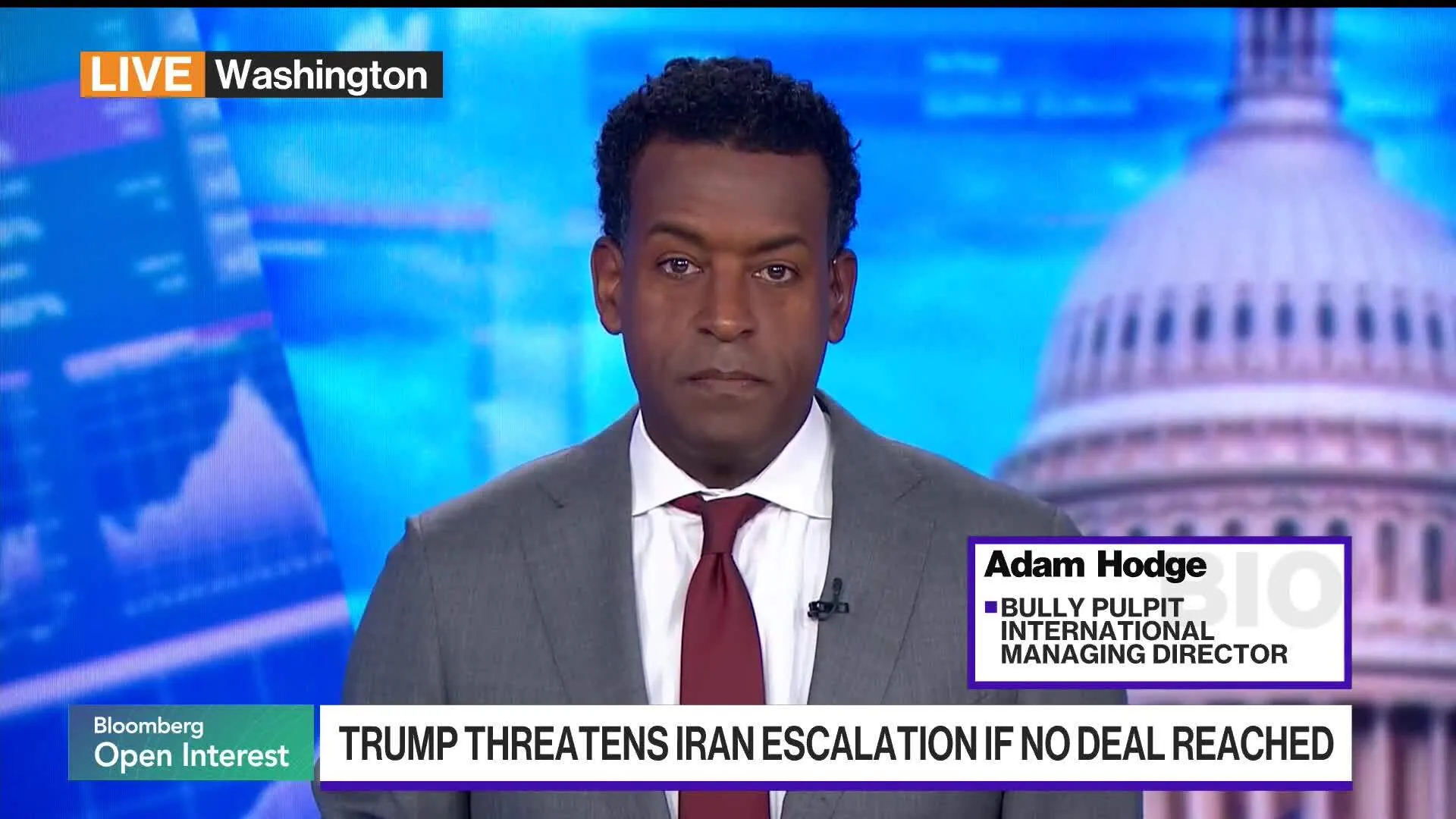
U.S.-Iran tensions aren't new, but their current dynamic is different. Democratic strategist Adam Hodge of Bully Pulpit International notes on Bloomberg Open Interest that the White House delivers mixed messaging while Congress is absent during the crisis. This creates a leadership vacuum just when clarity is most needed.
The global economy runs on energy stability. When that stability fractures, markets react first with volatility, then with structural adjustments. We're not seeing just a temporary spike in crude prices, but a fundamental reassessment of geopolitical risk.
“With no clear endgame to tensions, investors must rethink their energy strategies.”
Why It Matters

Markets hate uncertainty more than bad news. A predictable bad outcome can be managed through hedges and portfolio adjustments. But uncertainty about what happens next, when, and how intensely paralyzes investment decisions. Hodge highlights precisely this point: with no clear endgame to tensions, investors are flying blind.
This uncertainty filters through multiple channels. The most obvious is energy: , pressuring transportation and production costs across industries. Less obvious but equally important is the effect on business confidence. When companies cannot project stability in their energy supply chains, they delay investments and expansion.


