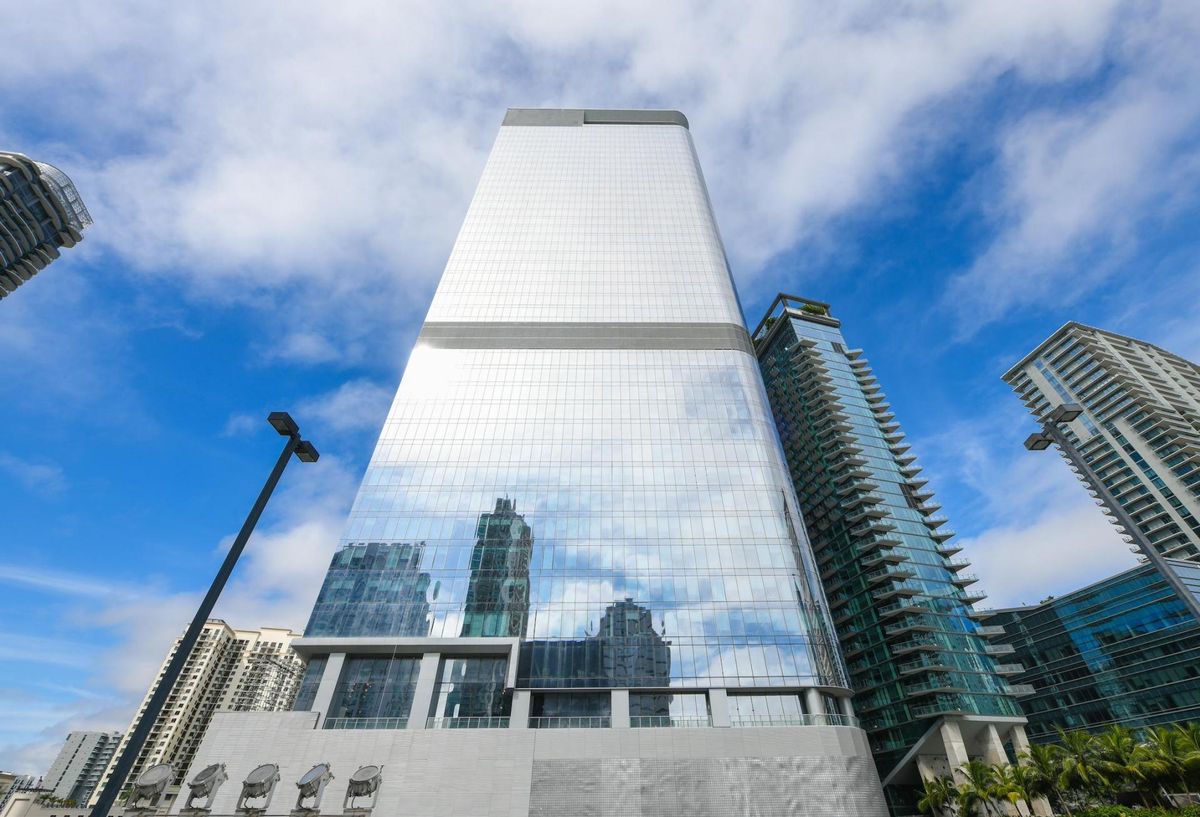
Brookfield, one of the world's largest commercial real estate investors, is gutting its Washington, D.C. presence. The firm has been selling off office buildings for months, and a source who left the company tells Bisnow it has also been laying off staff and is preparing to largely end operations in the nation's capital.
The Big Picture
This isn't a random portfolio trim. It's a strategic retreat from a market that has become a liability. D.C.'s office sector is reeling from structural shifts: federal agencies are downsizing, telework is entrenched, and political gridlock is dampening demand from law firms and lobbyists. Brookfield's pullout is the canary in the coal mine. According to CBRE, the D.C. office vacancy rate hit 22.5% in Q1 2026, the highest in two decades. Sale prices per square foot have fallen 35% from their 2019 peak. The market is in a downward spiral that shows no signs of abating.

Brookfield manages over $800 billion in assets globally. Its decision to sell The Yards—a premier office complex in the Navy Yard neighborhood that houses tenants like the National Security Agency—is a stark admission that the post-pandemic office recovery has bypassed D.C. The Yards, developed in phases since 2015, spans 1.5 million square feet of office space. Its occupancy rate has dropped from 92% in 2020 to 68% today. Brookfield invested over $400 million in the project, and the sale is expected to result in a significant loss. The firm is cutting losses before they deepen, but its exit will accelerate the downward spiral.
“Brookfield's D.C. retreat is the clearest signal yet that government-dependent office markets are in structural decline.”
By the Numbers

- Staff cuts: A former employee confirmed significant layoffs in D.C., with headcount falling from about 80 to fewer than 20 over the past 18 months. The asset management and leasing teams were hit hardest.
- Asset sales: The Yards, a trophy office development, is on the block. No asking price has been set, but valuations have plummeted. Current market value is estimated at around $250 million, down from $600 million in 2019.
- Portfolio shrinkage: Brookfield has been offloading D.C.-area office buildings for months. In 2025, it sold three downtown properties for a total of $180 million, 40% below book value.
- Market share loss: The firm went from a dominant player to near-irrelevance in D.C. virtually overnight. It still owns a few buildings but plans to sell them within 12 months.
- Ripple effects: Brookfield's exit could trigger a wave of forced sales by other owners, further depressing prices. An estimated 15% of D.C. office buildings are at risk of loan default.

Why It Matters
Brookfield's exit isn't just a D.C. story. It's a template for other cities with heavy government exposure—Sacramento, Austin, Ottawa. For decades, government leases were seen as rock-solid. Now, the ground is shifting. Federal agencies are cutting space, embracing remote work, and renegotiating terms. The General Services Administration (GSA) has reduced its office footprint by 18% since 2020, and further cuts are expected. The ripple effects will hit lenders, property managers, and local tax bases. D.C. derives about 30% of its office rental income from the federal government, making it uniquely vulnerable.
Winners? Distressed debt buyers and opportunistic investors who can scoop up assets at fire-sale prices. Losers? Everyone else holding office paper in D.C. The market is repricing risk, and Brookfield is showing which way the wind blows. Regional banks and debt funds face growing losses as owners struggle to service mortgages. An estimated $2.5 billion in D.C. office loans will mature in 2026, and many could default. The city's tax revenue from commercial property is projected to decline by 12% this fiscal year, straining public services.
What This Means For You
For real estate investors: If you own D.C. office assets, consider hedging or exiting. The structural headwinds are too strong. Brookfield's departure confirms that even the biggest players see no near-term recovery. Vacancy could reach 30% before stabilizing, according to Moody's Analytics.
- 1Review your exposure: Audit any D.C. office holdings. Compare cap rates to pre-pandemic levels. If they haven't widened enough, expect further pain. Cap rates have expanded from 5.5% in 2019 to 8.5% today, but may need to go to 10%+ to clear the market.
- 2Look for distressed opportunities: Cash-rich investors can target assets Brookfield and others are dumping. But be patient—values may fall further before bottoming. Consider buying office debt on the secondary market at 30-50% discounts.
- 3Diversify away from office: Shift capital into sectors like industrial, multifamily, or data centers. The office recovery in secondary cities like D.C. is years away. Industrial rents in D.C. have risen 12% over the past year, while office rents have fallen 8%.
- 4Explore conversion plays: Some D.C. office buildings are being converted to residential or lab space. Assess if your assets are candidates, though conversion costs can be high ($200-$400 per square foot).
What To Watch Next
The sale of The Yards will be a bellwether. If Brookfield gets a price near pre-pandemic levels, it could stabilize sentiment. If not, it'll confirm the market is in free fall. The sale is expected to close in Q4 2026, with potential buyers including REITs and private equity firms.
Also watch for more Brookfield asset sales in the region. A flood of supply would further depress values. And keep an eye on federal lease expirations—the GSA has 12 major contracts expiring in 2026, and their renewal decisions will dictate the pace of the downturn. If the GSA reduces space further, it could trigger another wave of downsizing by private tenants.
The Bottom Line
Brookfield is abandoning D.C., selling The Yards, and cutting staff. It's a clear signal that the office market in government-heavy cities is broken. For investors, the playbook is simple: avoid office, seek distressed bargains with caution, and wait for the next cycle. The Yards sale will tell us how much lower things can go.
The message is stark: telework and political dysfunction have permanently reshaped D.C.'s office market. Adapt or get left behind. The question now is whether other real estate giants will follow Brookfield's lead, accelerating the sector's restructuring.