Autonomous AI agents are hitting an infrastructure wall. The solution could redefine how companies automate complex tasks.
The Big Picture
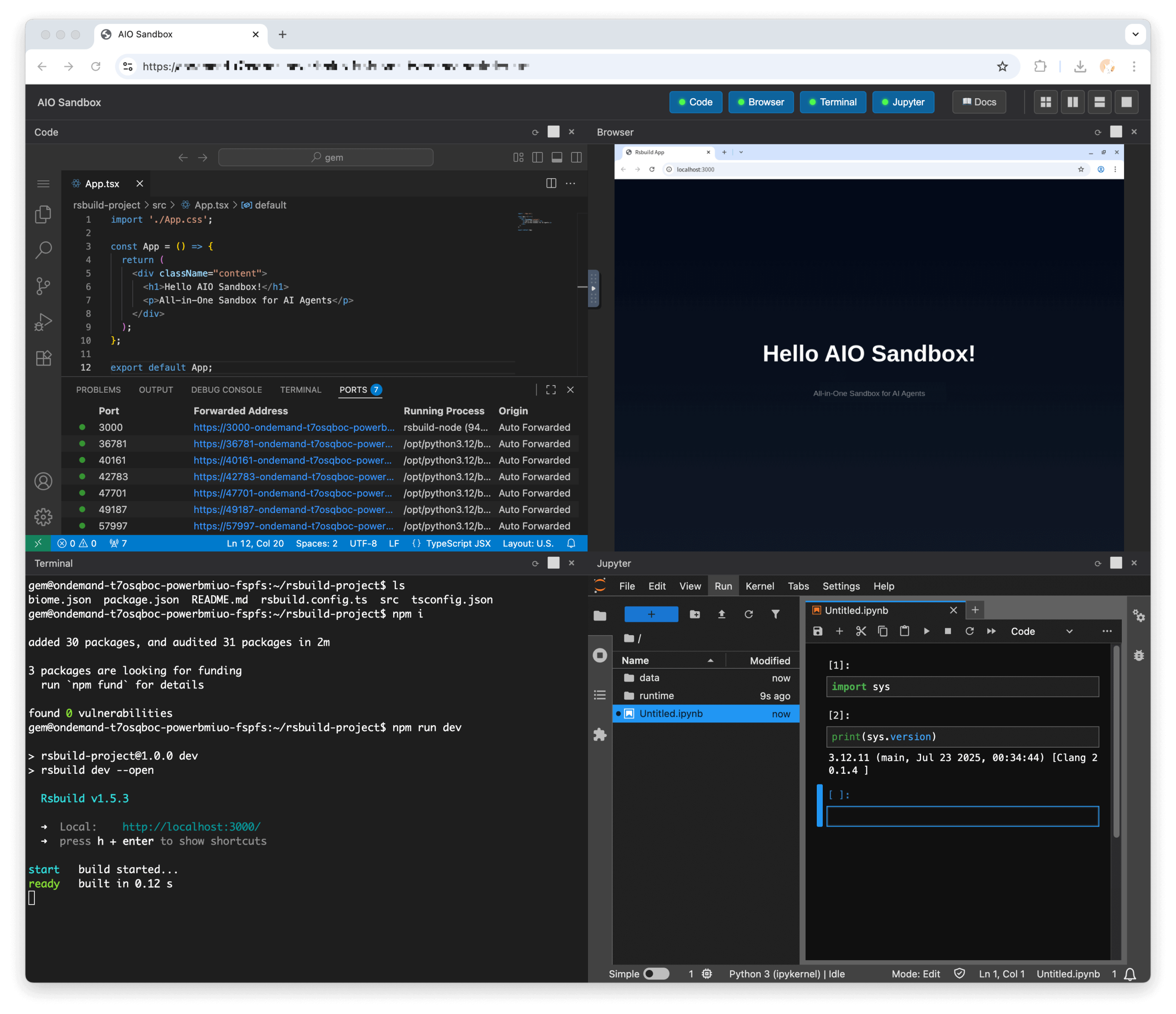
Large language models can generate code and multi-step plans, but executing them remains a significant technical challenge. Tool fragmentation—browser, Python interpreter, filesystem—introduces latency and synchronization complexity that limits real autonomy.
Agent-Infra addresses this with AIO Sandbox, an open-source project that consolidates everything into a single containerized environment. It includes a controllable Chromium browser, pre-configured runtimes for Python and Node.js, bash terminal, and integrated VSCode and Jupyter servers.
“A unified environment eliminates the need to move data between separate services, accelerating AI agent workflows.”
Why It Matters

For companies automating processes—from data analysis to property management—speed matters. An agent downloading a CSV from a web portal then running a Python cleaning script typically requires moving the file between environments. AIO Sandbox's unified file system makes data immediately visible across all modules.
lets developers expose sandbox capabilities to LLMs through an open standard. MCP servers for browser, files, shell, and document conversion optimize model-tool communication.


