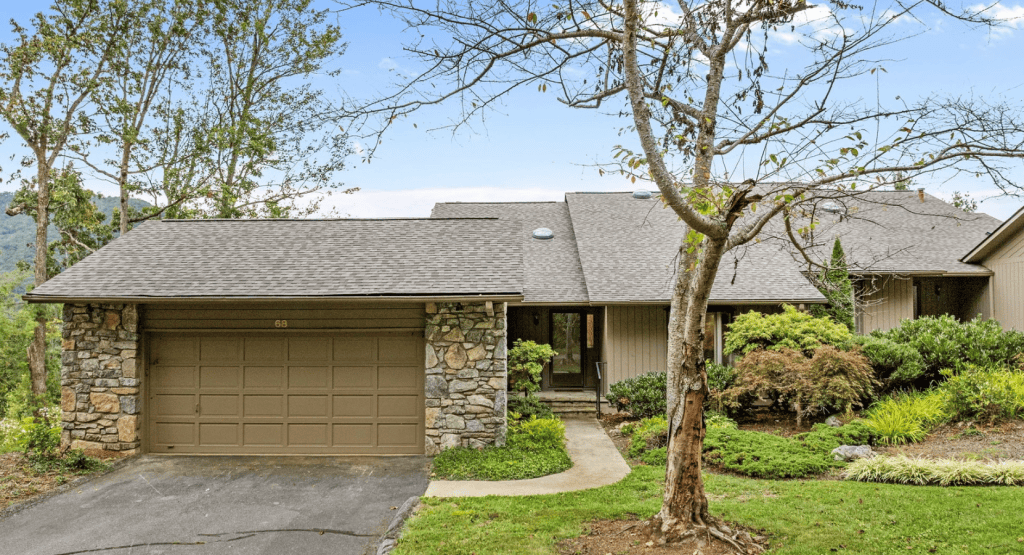
In Asheville, Bend, and Richmond, $1 million buys mountain retreats, ranch homes, or sprawling McMansions. See where your money goes furthest and what to watch
$1 million buys vastly different realities: a rustic cabin with mountain views in Asheville, a ranch with acreage in Bend, or a suburban mansion in Richmond.
$1 million used to be the threshold for true luxury. Now it buys a 3-bedroom ranch on five acres in Oregon—or a 4,000-square-foot McMansion ...
The $1 million price point has become a moving target. As home values have climbed across the US, what was once reserved for the top 5% now ...
$1 million used to be the threshold for true luxury. Now it buys a 3-bedroom ranch on five acres in Oregon—or a 4,000-square-foot McMansion in Virginia.
The Big Picture
The $1 million price point has become a moving target. As home values have climbed across the US, what was once reserved for the top 5% now feels almost mainstream in many markets. Yet geography still dictates the deal: the same budget that yields a mountain cabin in North Carolina can land a suburban showpiece near Richmond.
mountain view from a porch in Asheville
According to Redfin data, the Asheville market is still recovering from Hurricane Helene, which has made $1 million stretch further than in previous years. In Bend, the median sale price in March 2026 was $682,000, so $1 million can buy spacious homes on large lots. Richmond, by contrast, offers East Coast buyers a rare combination of size and value—homes there receive three offers on average and sell in about 24 days.
“$1 million buys vastly different realities: a rustic cabin with mountain views in Asheville, a ranch with acreage in Bend, or a suburban mansion in Richmond.”
By the Numbers
By the Numbers
Asheville: A 2,954 sq ft, 3-bedroom, 3-bath home in a gated community listed at $934,000. A 2,756 sq ft new-build in Black Mountain offers luxury finishes in a quieter setting.
Bend: A ~3,000 sq ft ranch on a ~5-acre lot, listed at $1,075,000 (coming May 7, 2026). A more modest 1,950 sq ft midcentury ranch is walkable to downtown.
Richmond: A 4,086 sq ft home in Glen Allen for $975,000, and a 3,105 sq ft home in Ashland for $899,999. Both packed with luxury amenities.
chart comparing price per square foot in three cities
Why It Matters
Small-city housing markets are undergoing a structural shift. The pandemic-era migration to less dense areas has cooled but not reversed, keeping demand elevated in lifestyle destinations like Asheville, Bend, and Richmond. For buyers, the key is understanding what each market offers and how local conditions affect purchasing power.
In Asheville, the post-hurricane recovery has created a window of opportunity for second-home buyers. Bend’s relatively balanced market gives both buyers and sellers room to negotiate—a rare dynamic in today’s environment. Richmond, meanwhile, has become fiercely competitive, with multiple offers and fast closing times.
The winners are cash buyers and those who can close quickly. The losers are buyers who need financing and can’t compete with above-asking offers.
What This Means For You
What This Means For You
If you’re considering a purchase in one of these markets, here are three actionable steps:
1Clarify your priority: Are you buying a vacation home with views (Asheville), a recreational property with land (Bend), or a suburban family home with space (Richmond)? Each city serves a different lifestyle.
2Prepare for competition: In Richmond, homes sell in 24 days with multiple offers. Get pre-approved and consider offering above list if the value is there.
3Look for local leverage: In Asheville, hurricane recovery may create negotiating room. In Bend, properties with acreage are a unique asset in today’s market.
family standing in front of a large suburban home
What To Watch Next
The coming months will be pivotal. In Asheville, full recovery from Hurricane Helene could spark a new wave of demand, especially if infrastructure projects materialize. Bend’s summer season typically attracts second-home buyers, which could intensify competition. Richmond will continue to draw buyers seeking space at relatively affordable East Coast prices, but rising mortgage rates could cool the market.
The Bottom Line
The Bottom Line
$1 million remains a powerful budget, but its reach depends entirely on location. In Asheville, Bend, and Richmond, the same money opens doors to vastly different lifestyles. For buyers and investors, the lesson is clear: geography is destiny. Those who understand local dynamics and act quickly will find opportunities others miss. The 2026 market demands precision, not just budget.
Deeper Analysis: Trends and Catalysts
The Hurricane Effect in Asheville
Hurricane Helene, which struck the region in 2024, left a lasting mark on Asheville's housing market. While recovery has been slow, it has created a unique opportunity for buyers willing to invest in properties needing minor repairs or located in areas previously out of reach. Prices have dropped 5-10% from their 2023 peaks, according to local data. For investors, this represents an entry window before demand fully rebounds, especially if new infrastructure projects like road reconstruction and utility upgrades are announced.
Bend's Market Equilibrium
Bend has maintained an enviable balance between supply and demand. With an inventory of roughly 3 months, buyers have some negotiating power, but properties with land remain scarce. The city has seen an uptick in single-family home construction, but demand for second homes and recreational properties remains strong. Analysts predict prices could rise 3-5% during summer 2026, driven by seasonal buyers. For investors, the key is acquiring properties with subdivision potential or water rights, which are increasingly valued.
Richmond: Competition and Value
Richmond has become a magnet for East Coast buyers seeking space without paying Washington D.C. or New York prices. The city offers a mix of historic homes and new construction, with a price per square foot around $240—well below the $500+ of other metro areas. However, competition is fierce: homes receive an average of three offers and sell in under a month. Cash buyers have a significant advantage, while those relying on financing must be prepared to offer above list. Rising mortgage rates, which could hit 7% by late 2026, may cool the market but also create opportunities for capital-rich buyers.
Implications for Investors
Implications for Investors
For investors, these three markets offer distinct risk-reward profiles. Asheville is a recovery play with medium-term appreciation potential if infrastructure improves. Bend is a stable market with consistent demand, ideal for long-term vacation rental investments. Richmond offers the highest short-term growth potential but with greater competition. Diversifying across these markets could be a smart strategy to mitigate risk and capture each market's strengths.
Near-Term Catalysts
Asheville: Announcement of federal reconstruction projects (expected June 2026).
Bend: Summer season (June-August) attracting second-home buyers.
Richmond: Potential Fed rate hike in September, which could cool demand.
Practical Investor Takeaway
Practical Investor Takeaway
If you have $1 million to deploy in real estate, consider splitting your capital across these three markets. Allocate $400,000 to an Asheville property to capitalize on recovery, $300,000 to a Bend lot for future development, and $300,000 to a Richmond home for rental income. This diversified strategy lets you capture each market's advantages while minimizing risk. Remember, speed of execution is key: in Richmond, opportunities close in days, not weeks.