Global tech faces persistent chip shortages. Raspberry Pi shows smart demand can outrun supply constraints.
The Big Picture
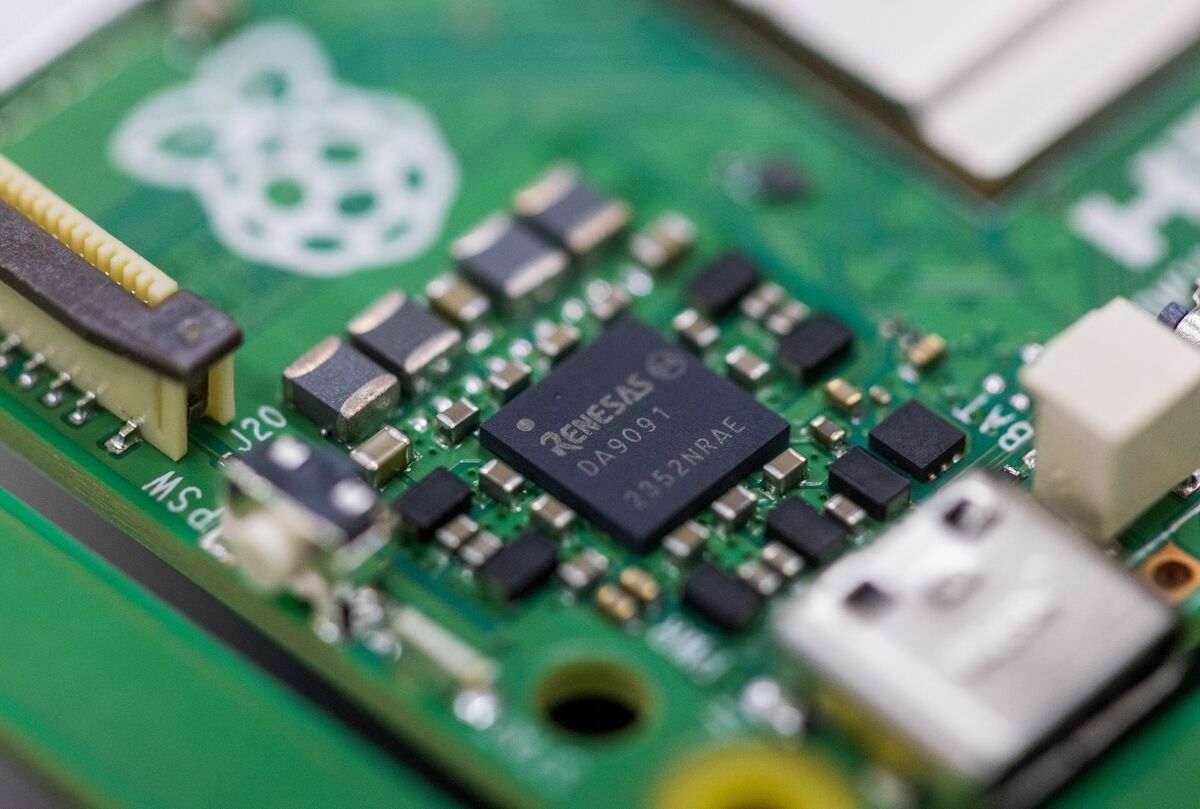
The semiconductor crisis has defined technology manufacturing for years. Since 2021, automakers, appliance producers, and electronics manufacturers have faced delays, allocation battles, and cost inflation. This structural shortage has reshaped global supply chains and forced companies to reconsider business models. Against this backdrop, Raspberry Pi's success becomes particularly telling.
The British company occupies a peculiar niche: low-cost computers designed for education, DIY projects, and basic industrial applications. Its business model relies on standardized components and simple architectures, which theoretically should make it vulnerable to supply disruptions. Yet its 2025 report shows remarkable resilience. This suggests some technology segments navigate component storms better than others.
“Focused market strategy can overcome structural industry weaknesses.”
Why It Matters

The 25% sales rise in 2025 isn't just an accounting figure. It validates Raspberry Pi's model under adverse conditions. While competitors faced order cancellations and compressed margins, the British company expanded in two critical markets: the United States and China. This geographic duality matters strategically.