US IPO prospects are dangling by a thread amid geopolitical turmoil. This reshuffles the risk calculus for investors and companies in a jittery market.
The Big Picture
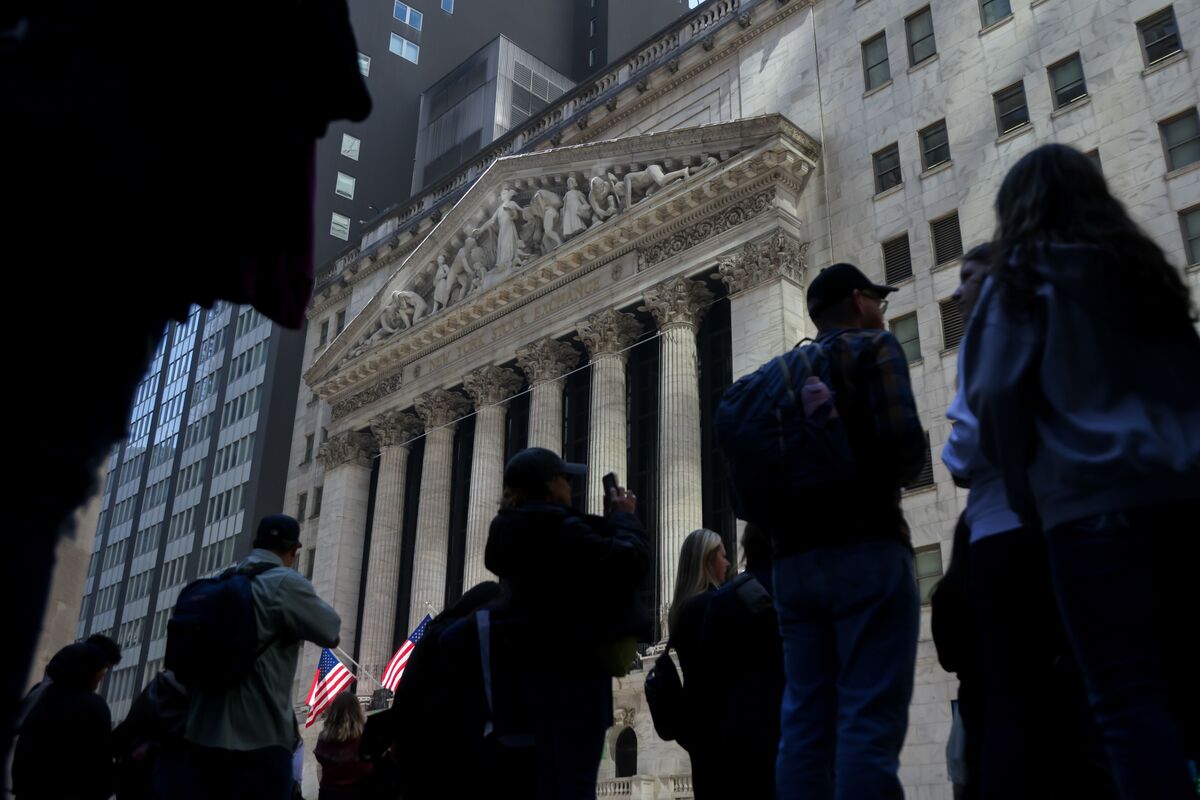
The Iran war has injected a harsh dose of reality into the optimism that once fueled America's initial public offering (IPO) pipeline. For years, tech and high-growth firms formed the backbone of this ecosystem, luring capital with tales of disruption and global scale. Yet in 2026, that model collides with a volatile geopolitics that doesn't discriminate by sector. Investment banks, accustomed to scheduling launches like clockwork, now watch conflict indicators as closely as financial statements. Volatility isn't just background noise; it's a force that can derail meticulous plans in hours.
This context makes SpaceX a peculiar symbol. Elon Musk's company represents the cutting edge of American innovation, but its potential IPO hinges on markets staying calm enough to absorb a multi-billion-dollar deal. If SpaceX goes public, it could validate the financial system's resilience in crisis. If it falters, it would confirm that even the most ambitious projects aren't immune to geopolitical panic. The paradox is stark: a firm aiming to conquer space needs Earth not to be on fire.
“A SpaceX listing could make banks' whole year, but first it must survive the geopolitical storm.”
Why It Matters


